

Wondering whether you masturbate too often, too rarely, or about as often as everyone else is common. The most useful answer is also the simplest: there is no universal number.
Some people masturbate every day. Others do it a few times a month, occasionally, or not at all. Any of these patterns can be normal. What matters is whether masturbation feels comfortable, remains under your control, and fits into your life without causing physical, emotional, or relationship problems.
Table of Contents
Is There a Normal Frequency?
There is no medically recommended number of times a person should masturbate per day, week, or month. The International Society for Sexual Medicine notes that some people masturbate daily, some weekly, some rarely, and some never do.
Population surveys can show how often groups of people report masturbating, but an average is not a health target. It cannot tell you what your body needs or whether your own pattern is causing a problem.
Rather than asking, “How many times is normal?” try asking:
- Does my body feel comfortable?
- Does this interfere with sleep, work, relationships, or responsibilities?
- Do I feel free to choose whether or not to do it?
- Do I generally feel fine afterward?
Those questions provide more useful information than counting sessions.
What Affects Frequency?
Sex drive is personal, and it does not run on a fixed schedule. Several factors can influence how often you want to masturbate.
Age and Hormones
Hormones can influence desire, but age does not create a simple upward or downward line. Some people notice a stronger sex drive during adolescence or early adulthood. Others feel more interested in sex later, when they have greater privacy, confidence, or knowledge of their bodies.
Hormonal changes related to menstrual cycles, pregnancy, menopause, aging, or medical treatment can also affect desire. The important point is that change is common. It does not automatically mean something is wrong.
Health and Medication
Physical and mental health can shape sexual interest. Fatigue, pain, depression, anxiety, chronic illness, and poor sleep may reduce desire. In other cases, people masturbate more because it helps them relax or briefly shift their attention away from stress.
Some medications can also change libido or sexual response. Antidepressants, blood pressure medicines, hormone treatments, and other drugs may affect desire, erection, lubrication, orgasm, or sensitivity. If a noticeable change begins after starting or changing a medication, speak with the prescribing clinician rather than stopping it on your own.
Stress and Lifestyle
Stress affects people differently. One person may lose interest in sexual activity during a demanding week, while another may want more sexual release. Privacy, living arrangements, work hours, exercise, travel, and sleep can all influence opportunity as well as desire.
Personal Preferences
People masturbate for different reasons. Pleasure is the obvious one, but masturbation can also be a way to relax, fall asleep, explore sensation, or learn what feels good. Your reasons may change from one session to the next, and they may not resemble anyone else’s.
Masturbation can also coexist with a satisfying partnered sex life. Solo and partnered pleasure may meet different needs, so masturbating in a relationship does not automatically signal that something is missing.

Is Daily Masturbation Healthy?
For many people, masturbating every day is not a problem. Daily frequency alone does not indicate compulsive sexual behavior, poor self-control, or a health disorder.
The better question is what happens because of it. If daily masturbation feels voluntary, does not cause pain, and does not interfere with the rest of your life, the number itself is usually not the concern.
Frequent or intense stimulation can sometimes cause short-lived effects, especially when there is substantial friction or pressure. These may include:
- Skin irritation or tenderness
- Temporary genital sensitivity or numbness
- Mild swelling caused by friction
- Needing more recovery time before another erection or orgasm
- Temporarily reduced sensitivity after intense stimulation
These effects usually call for a practical adjustment, such as taking a break, using more lubricant, reducing pressure, or changing technique. Persistent pain, broken skin, bleeding, marked swelling, or numbness that does not resolve deserves medical attention.
Can You Masturbate Too Much?
Yes, but “too much” is defined by consequences, not a specific number.
Masturbating twice in one day may be comfortable and harmless for one person. Once a week could still be a problem for someone else if it feels uncontrollable or repeatedly disrupts work, sleep, or relationships.
The distinction is easier to see when you focus on impact:
| Usually within a healthy range | May need attention |
| You choose when to masturbate | You feel unable to postpone or stop |
| Your body feels comfortable afterward | You continue despite pain or injury |
| Responsibilities remain manageable | You regularly miss sleep, work, or commitments |
| It coexists with other interests and relationships | It replaces activities and intimacy you value |
| You can change the routine when needed | Attempts to reduce the behavior repeatedly fail |
A strong libido is not the same as compulsive behavior. Concern becomes more reasonable when sexual urges or behaviors feel difficult to control and cause significant distress or real-life problems. Mayo Clinic’s overview of compulsive sexual behavior similarly focuses on loss of control and harmful consequences rather than a particular frequency.
Is Rare Masturbation Normal?
Yes. Masturbating rarely or never can be completely normal.
Masturbation is an option, not a health requirement. You do not need to force yourself to do it to maintain testosterone, fertility, sexual function, or general wellness. Some people simply have less interest in solo sex. Others prefer partnered intimacy, experience little sexual attraction, or choose not to masturbate for personal or cultural reasons.
Low frequency deserves attention mainly when it represents a sudden, unwanted change or appears alongside other symptoms. Examples include persistent fatigue, low mood, pain, erectile changes, vaginal dryness, or a major reduction in overall desire. In that situation, a healthcare professional can assess medication effects, hormonal changes, stress, and other possible causes.
Find Your Right Frequency
You do not need a formula. Check three things instead: how your body feels, whether masturbation fits comfortably into daily life, and whether it still feels like a choice. Wanting it often is not automatically a problem. Continuing despite pain, lost sleep, neglected responsibilities, or a genuine wish to stop is more meaningful than the number of sessions.
Minor discomfort often responds to simple adjustments:
- Take a rest day when you feel sore.
- Use a body-safe lubricant to reduce friction.
- Try lighter pressure or a slower pace.
- Change position or technique instead of repeating one intense pattern.
- Shorten sessions if prolonged stimulation causes irritation.
- Give yourself more recovery time between orgasms.
The goal is not to reach a lower number. It is to keep the experience comfortable and intentional.
Using Sex Toys Comfortably
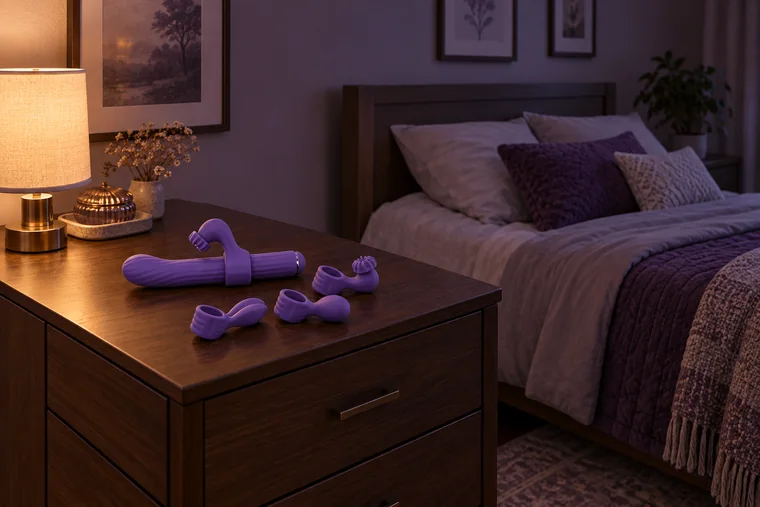
Sex toys can introduce different sensations and make solo play more convenient, but they do not determine how often you should masturbate. The same principles of comfort and control apply whether you use your hands, a sleeve, vibration, suction, or an automatic device.
Different stimulation styles suit different preferences. Male masturbators range from simple sleeves to automatic devices, with options for changing pressure, motion, and intensity according to comfort.
For hands-free sessions, the Secheal Pulse male masturbator combines adjustable stroke, rotation, vibration, and adaptive air pressure that responds as the body moves. Each motion can be used separately or layered with others, while preset and custom modes make it possible to change the rhythm without treating higher intensity or more frequent use as a goal.
Start at a low or moderate intensity, especially with a new product. Increase sensation gradually, and stop if you notice pain or numbness that lingers. If other forms of touch begin to feel less satisfying, alternate techniques, reduce intensity, or take a short break. Seek medical advice if the change persists.
Hygiene matters too. Clean every body-contact part according to its material and the manufacturer’s instructions. Let removable sleeves dry completely before storage, and never submerge a device unless it is specifically rated for that use. Follow the sex toy care FAQ for product-specific cleaning guidance.
Frequency Myths
Simple numbers spread easily online, especially when they promise better hormones, fertility, or prostate health. Sexual health is rarely that tidy.
Is 21 Times a Month Necessary?
No. The “21 times a month” claim comes from observational research on ejaculation frequency and prostate cancer risk. A large study published in European Urology found an association between more frequent ejaculation and a lower incidence of prostate cancer in certain groups of men. The details are available in the PubMed study record.
That result does not establish 21 as a prescription. Because the study was observational, it cannot prove that increasing ejaculation frequency prevents cancer. It also measured ejaculation from masturbation, partnered sex, and nocturnal emissions rather than masturbation alone.
Prostate health should not be reduced to a monthly target. Age-appropriate medical care and a discussion of individual risk factors are more useful than trying to hit a number from one observational study.
Does It Lower Testosterone?
Current evidence does not show that ordinary masturbation causes a lasting, clinically meaningful drop in testosterone. Hormone levels naturally fluctuate, and short-term changes around sexual activity do not demonstrate that masturbation depletes testosterone or permanently reduces strength or energy.
If you have symptoms that could be related to low testosterone, such as a sustained loss of libido, persistent fatigue, or erectile changes, seek proper medical assessment. Masturbation frequency alone cannot diagnose a hormone problem.
Does It Cause Erectile Dysfunction?
Masturbation itself is not considered a direct cause of erectile dysfunction. Erections can be affected by circulation, diabetes, medication, alcohol, sleep, stress, relationship concerns, and performance anxiety.
Technique can matter, however. If you rely on pressure, speed, or positioning that partnered activity does not reproduce, you may find it harder to become aroused or reach orgasm in a different setting. This does not by itself establish erectile dysfunction. Varying technique, reducing intensity, and allowing more time may help.
Persistent erection difficulties should be discussed with a healthcare professional because they can sometimes point to an underlying physical or psychological condition.
When to Seek Help
Consider speaking with a doctor, urologist, gynecologist, qualified sex therapist, or mental health professional if you experience:
- Persistent genital pain, bleeding, injury, or numbness
- Skin irritation that does not improve with rest
- A sudden and unexplained change in libido or sexual function
- Repeated inability to control sexual behavior
- Significant distress, shame, anxiety, or depression related to the behavior
- Ongoing conflict with a partner
- Masturbation that regularly interferes with work, sleep, finances, or daily responsibilities
Professional support is not about judging how often you masturbate. It can identify pain, loss of control, medication effects, or an underlying health issue and help you find a workable response.
The Bottom Line
There is no ideal number of times to masturbate. Daily, weekly, occasional, and no masturbation can all fall within a healthy range. Comfort, control, balance, and satisfaction are more useful measures than comparison with a survey, a friend, or an online challenge.
FAQ
How many times a week should you masturbate?
There is no recommended weekly target. A healthy frequency is one that feels comfortable, remains under your control, and does not interfere with daily life or relationships.
Is it okay to masturbate every day?
Yes, daily masturbation can be healthy if it does not cause pain, irritation, distress, or disruption. If your body feels sore, reduce intensity or allow more recovery time.
Is twice a day too much?
Not necessarily. Twice a day may be comfortable for one person and irritating for another. Judge the pattern by its physical effects and its impact on your routine, not the number alone.
How long should you wait between sessions?
There is no fixed waiting period. Recovery time varies with anatomy, arousal, age, health, and stimulation intensity. Wait until your body feels comfortable and responsive again.
Does masturbation frequency change with age?
It often does, but there is no universal pattern. Hormones, health, medication, stress, relationships, privacy, and personal interest can all change frequency at any age.



Leave a Reply