

You planned to go to bed, but another hour has passed and you are still masturbating. Repeatedly losing sleep this way can leave you wondering whether something is wrong. What matters most is whether you can control the behavior and how it affects your life.
Table of Contents
Is Masturbation Addiction a Diagnosis?
Compulsive sexual behavior explained
“Masturbation addiction” is a common way to describe a concern, but clinicians do not diagnose it by counting how many times someone masturbates. They may assess for compulsive sexual behavior disorder (CSBD), a broader condition that can involve masturbation, pornography, or other sexual behaviors. The World Health Organization's ICD-11 classifies CSBD as an impulse control disorder. Its defining features include a persistent failure to control repetitive sexual behavior and significant distress or impairment in daily life.
Masturbation itself is a normal part of sexuality. Even frequent masturbation does not indicate a disorder when a person remains in control and daily life is unaffected.
Why frequency alone is not a warning sign
There is no universal number that makes masturbation “too much.” Frequency varies with personal preference and circumstances. For more on that question, see how often you should masturbate. The use of a sex toy does not establish compulsion either.
Instead, ask whether you can choose when to masturbate and when to do something else. Are you regularly putting off responsibilities or pulling away from people because you cannot step away? These questions tell you more than a daily or weekly count.
Guilt alone is not a sign of addiction. Family beliefs, religious teachings, or social messages can cause distress even when there is no loss of control or disruption to daily life. The ICD-11 cautions that distress based entirely on moral judgment is not enough for a CSBD diagnosis. Your feelings still matter, and a qualified clinician can help you explore them without dismissing your values.
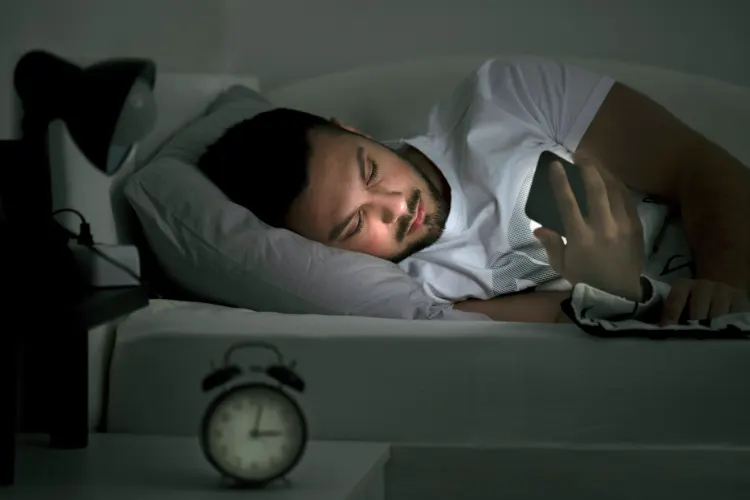
3 Signs of Compulsive Masturbation
Sign 1: Difficulty cutting back
You might decide to stop after a short time but repeatedly continue for hours. Breaking a plan once does not establish a disorder. The concern is an ongoing pattern of trying to cut back and feeling unable to follow through.
Sign 2: Neglecting daily responsibilities
The behavior may take priority over work, school, social plans, or self-care. Routinely missing deadlines or canceling plans because you cannot stop is a reason to seek support.
Sign 3: Continuing despite harmful consequences
You may continue despite recurring relationship conflict or other unwanted consequences. Some people find that the behavior brings little satisfaction anymore, yet they still feel driven to repeat it. A persistent pattern like this is worth discussing with a clinician.

What Can You Do?
Identify patterns and triggers
For a week or two, note when an urge feels hardest to manage. Keep the record simple:
- What was happening just before the urge?
- How were you feeling?
- What did you do, and how did you feel afterward?
You may notice a connection with stress, loneliness, boredom, or avoiding a task. The aim is to understand your pattern, not to judge yourself or keep a score.
Choose one change that fits what you notice. When late-night phone use keeps costing you sleep, charging your phone outside the bedroom may help.
Try other ways to manage stress
When masturbation becomes your main way to handle stress, try building other options into your routine. A walk, exercise, or a call with a friend may help you manage an uncomfortable feeling. The aim is to have more choices. If a change does not stick, consider what made that moment difficult and adjust your approach.
Where to Get Help
When to seek professional support
Consider professional support if attempts to change the pattern have not worked or the behavior is affecting your health, work, or relationships. A primary care clinician or licensed mental health professional with experience in sexual health can be a starting point. You do not need a diagnosis before making an appointment.
You could say, “Masturbation has started affecting my sleep, and I've had trouble changing the pattern. Can we talk about it?” A clinician may ask about your behavior and its effects, as well as mood, medications, substance use, and other possible contributors. The conversation should focus on understanding what is happening, not judging how often you masturbate.
What treatment may involve
Treatment depends on the assessment. Talk therapy may help you understand triggers, respond differently to urges, and address related concerns. Options described in Mayo Clinic's treatment overview include cognitive behavioral therapy, other forms of psychotherapy, and support groups. A qualified prescriber may consider medication in some cases, particularly when another condition also needs treatment.
The aim is to reduce harm and regain choice. Therapy can also help when guilt, rather than impaired control, is your main concern.

FAQ
Is masturbating every day an addiction?
No. Daily masturbation alone does not establish a disorder. A clinician considers control, distress, and effects on daily life.
Can masturbation be compulsive without pornography?
Yes. Pornography may be part of a person's pattern, but it is not required. A clinician considers the behavior and its effects either way.
Can compulsive masturbation affect relationships?
It can if the pattern repeatedly creates conflict or makes it difficult to keep commitments. Masturbation while in a relationship is not inherently a problem. Talk with your partner about the specific impact rather than assuming that masturbation itself is the cause.
What type of therapist can help?
Look for a licensed mental health professional experienced in compulsive sexual behavior or sexual health. Ask how they assess loss of control and how they approach shame or moral beliefs. You should be able to explain your concerns and goals without being judged.



Leave a Reply