

Daily calls can keep you involved in each other’s lives while leaving you missing touch, sexual pleasure, or the feeling of being desired. Talking about that gap may feel awkward when you don’t want your partner to hear it as criticism.
Being sexually frustrated in a long-distance relationship is something you can talk about directly. Choose a private, unhurried time, explain what you miss, and ask about your partner’s experience. Then discuss one specific change you’d both welcome.
Table of Contents
Before You Bring It Up
Identify What You’re Missing
Sexual frustration can involve more than wanting sex. Consider which part of being apart has been hardest:
- Missing touch or sexual pleasure.
- Wanting more flirting or signs of attraction.
- Feeling that calls have become mostly logistical.
- Struggling to find uninterrupted time together.
- Not knowing when you’ll see each other again.
Name the most important issue first. “I miss feeling desired” calls for a different response than “We never have privacy when we talk.”

Choose a Private, Unhurried Time
Ask for a time when you both have privacy and enough energy to talk. Account for time zones, shared living spaces, and work schedules rather than assuming a convenient moment for you works for both.
Try: “I’d like to talk about how we’re handling intimacy while we’re apart. Would tomorrow evening work?”
If possible, avoid starting immediately after a declined sexual invitation. Discussing the broader pattern later gives you space to express your needs without making that particular no feel open to negotiation.
How to Talk About Sexual Frustration
Share Your Feelings Without Blame
When talking about sexual desires, use a gentle opening and make room to listen. Describe your experience rather than assigning motives to your partner.
“I’ve been missing our physical connection” is clearer than “You don’t care about our sex life.” Even a sentence starting with “I feel” can sound accusatory: “I feel like you never try” is still a judgment.
Instead, connect an observation to a feeling: “Our calls have been short lately, and I’ve been feeling disconnected.”
Ask About Your Partner’s Needs
After explaining your experience, ask: “How has being apart affected intimacy for you?”
Let your partner finish before suggesting a solution. They may miss closeness too, feel uncomfortable on camera, or lack private time. Check your understanding: “You want more time together, but planned sexual calls feel stressful. Did I get that right?”
Make Requests Without Pressure
Make a request your partner can answer honestly. “Could we set aside some private time this weekend?” is more useful than “I need you to be more sexual.”
Be clear about what you’re requesting, including whether you mean an affectionate conversation or a sexual activity. Avoid comparisons, scorekeeping, or treating agreement as proof of love.
If the answer is no, respect it. You can acknowledge disappointment and discuss what remains unmet without bargaining over an activity your partner doesn’t want.
What to Say
Use these examples as starting points, adapting the wording to how you normally speak.
“I Miss Feeling Close to You”
“I love hearing about your day, and I miss the physical side of being together. Lately I’ve been feeling sexually frustrated, and I wasn’t sure how to bring it up. How has the distance been feeling for you?”
“Could We Make More Time for Intimacy?”
“Our calls have been squeezed between work and bedtime. Could we choose an evening when we have more privacy and aren’t rushing? I’d like time to be affectionate and reconnect, without assuming it has to become sexual.”
If you’re hoping for sexual contact, say that directly rather than leaving your partner to infer it from a vague invitation.
“What Would Feel Comfortable for You?”
“I don’t want to assume we enjoy the same things when we’re apart. Are there ways you’d like to be intimate from a distance? Are there things you’d rather keep for in-person visits?”
Give your partner time to think if they need it, and agree on when to revisit the conversation.

When Your Needs Differ
Discuss Differences in Desire
You may want sexual contact at different times or frequencies. Start by exploring what affects each person’s interest: timing, fatigue, privacy, or preferences about digital intimacy.
For example, a late-night call may feel ideal to one person and exhausting to the other. Changing the timing may help, but practical adjustments won’t necessarily resolve every difference in desire.
Keep scheduled time flexible so either person can choose affection or conversation without sexual activity.
Respect Digital Intimacy Boundaries
Comfort with in-person sex doesn’t automatically extend to sexual messages, photos, or video. Discuss activities separately, including what may be saved, recorded, or shared. Consent to one activity doesn’t imply consent to another, and either person can change their mind.
For connected toys, discuss privacy and partner access before sharing control. Check how access is granted and removed, and how the person using the device can pause or stop it. A privacy agreement between partners doesn’t replace checking what an app stores.
Pause if the Conversation Gets Heated
If you’re interrupting each other or going in circles, take a break and agree on when to return.
Try: “I’m getting defensive, and I want to hear you properly. Can we pause and talk again after dinner?”
Return at the agreed time and address one issue at a time. Call schedules and uncertainty about the next visit may need separate discussions.

Agree on a Plan Together
Choose Comfortable Ways to Connect
Start with one manageable change: an uninterrupted date call, affectionate messages, or more flirting. Be specific about timing and expectations, such as a Saturday evening call with phones on Do Not Disturb.
If you’re both interested in long-distance partner play, confirm that the specific device supports control over the internet. Nearby phone control alone doesn’t establish that capability. Agree on how to stop and what to do if the connection drops.
Talk About Solo Pleasure Without Judgment
Solo pleasure may help with physical frustration during time apart. Discuss its place in your relationship without expecting detailed reports about private experiences.
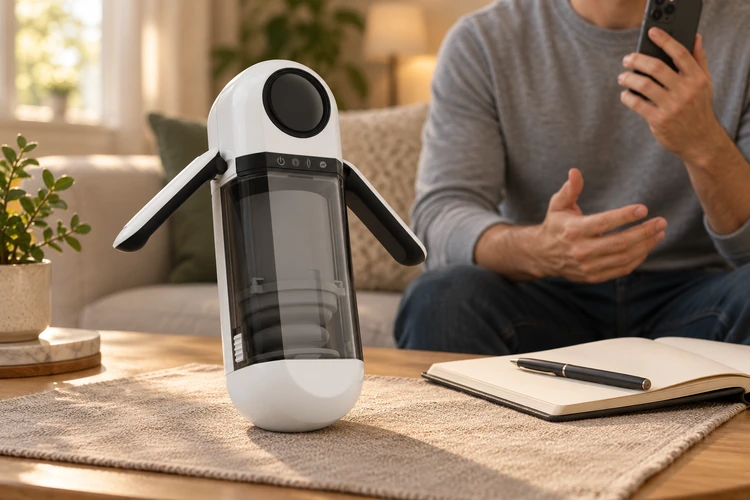
When choosing male masturbators, prioritize comfortable fit, adjustable sensations, and controls you can easily reach. Check each model’s connection features separately if shared control matters to you.
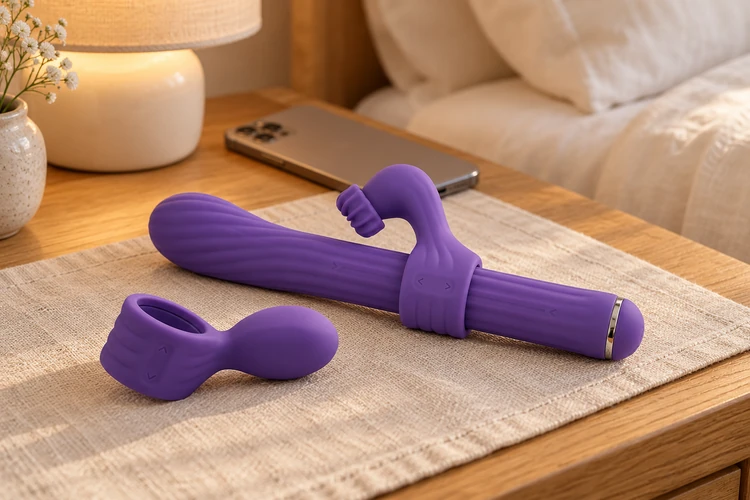
For adjustable solo play, the Secheal Wave wand vibrator combines four interchangeable heads, three intensity levels, and on-device controls. You can try different sensations between visits or operate it yourself during a mutually agreed intimate call. Wave has no app or remote partner control, so all adjustments stay with the person holding it.
Physical satisfaction may leave a need for affection or reassurance unmet. Explain that distinction rather than expecting a toy to resolve both.
Check In and Adjust Expectations
Choose a time to review what you’ve tried, such as after a week or two. Ask:
- Did we feel more connected?
- Did anything feel pressured or awkward?
- What should we keep, change, or stop?
Adjust plans around what actually works. Discuss visits and the longer-term distance too, since more calls may not address uncertainty about when you’ll be together.
If conversations repeatedly end in distress, consider support from a qualified couples or sex therapist. Be honest about persistent differences in what each person needs and what each is willing to offer.
FAQ
Is Sexual Frustration a Sign the Relationship Is Failing?
Not necessarily. Missing physical intimacy doesn’t establish that a relationship is failing. Consider the broader pattern: whether you can discuss needs openly, respect boundaries, and make agreements that work for both people. Persistent resentment or unresolved incompatibility deserves attention beyond the frustration itself.
Can a Long-Distance Relationship Work Without Sexting?
Yes. Sexting isn’t a requirement for a long-distance relationship. Discuss whether affectionate messages, voice calls, virtual dates, or in-person visits provide enough connection for both of you. The important question is whether the arrangement meets your needs without requiring an activity either person dislikes.
What if My Partner Won’t Talk About Intimacy?
Ask whether timing, privacy, or discomfort is making the conversation difficult. Try starting in writing or choosing another day. If avoidance continues, explain how it affects you and whether you’re willing to continue without addressing it. Respecting sexual boundaries doesn’t require ignoring an ongoing communication problem.



Leave a Reply