
The human body has more potential pleasure points than many people realize. Although the genitals are the areas most often associated with sexual sensation, the scalp, ears, neck, hands, back, thighs, and feet may also respond strongly to touch.
These sensitive areas are known as erogenous zones. Some are common across many people, while others are highly personal, and the same touch can feel pleasurable, neutral, ticklish, or uncomfortable depending on the person and the moment. This body map covers erogenous zones from head to toe and explains how to discover your own through consent, communication, and curiosity.
Table of Contents
What Are Erogenous Zones?
Erogenous zones are areas of the body that may produce heightened sensitivity, pleasure, or sexual arousal when touched or stimulated. They are sometimes called pleasure zones or pleasure points. Some areas respond strongly because of dense nerve endings and sensory receptors. Others feel pleasurable because of anticipation, intimacy, or personal associations. Because the brain interprets physical sensation, mood and context can matter as much as anatomy.
Sensitivity can shift with stress, trust, past experiences, hormones, medication, illness, fatigue, and the type and intensity of touch. Touching an erogenous zone also doesn't always lead to arousal. A scalp massage or shoulder rub might feel relaxing, affectionate, sensual, sexual, or neutral. As Planned Parenthood explains, responses to touch vary from person to person.
Women's vs. Men's Erogenous Zones
Anyone looking for a women's erogenous zones chart or a guide to male erogenous zones may expect two entirely different maps. In practice, most pleasure points are shared, and the main differences lie in genital and pelvic anatomy.
- Shared zones: scalp, ears, lips, neck, shoulders, chest, nipples, wrists, hands, abdomen, back, hips, buttocks, inner thighs, knees, and feet
- Vulvar anatomy: vulva, clitoris, labia, vaginal opening, and surrounding tissue, with sensitivity that varies between external and internal areas
- Penile anatomy: penis, glans, foreskin when present, frenulum, and scrotum, with sensitivity that varies across the glans, shaft, and surrounding tissue
- Across anatomies: perineum, anus, and the prostate for people who have one
These categories describe anatomy, not gender identity or preference, so no chart can predict what every woman or man will enjoy. The sections below look at each area in turn.

Head and Neck
Scalp
The scalp may respond to massage, light scratching, gentle pressure, or slow movement through the hair. The temples and hairline can also promote relaxation. Ask before pulling hair or using stronger pressure, and take care with tender skin or scalp conditions.
Ears
The earlobes, outer ears, and skin behind the ears can be sensitive to light touch, warmth, or gentle massage. They can become overstimulated quickly, so subtle contact is a better starting point than intense pressure.
Lips and Face
The lips are highly responsive, but the cheeks, temples, chin, and jawline also contribute to closeness and anticipation. Facial touch feels especially intimate because it happens near the eyes and mouth, so slow, attentive contact gives time for a clear response.
Neck
The sides of the neck and the nape are common pleasure zones. Gentle strokes, warmth, massage, or soft kisses may feel enjoyable. Avoid any pressure that affects breathing or circulation, and ask before leaving visible marks.
Upper Body
Shoulders and Collarbone
The shoulders often hold tension, so massage or steady pressure can be deeply relaxing. The collarbone and surrounding skin may respond to lighter touch. These areas introduce physical intimacy without immediately focusing on more sensitive parts of the body.
Arms and Wrists
The inner arms and wrists receive less everyday contact than the hands and may feel more responsive. Slow strokes and gentle, still pressure create noticeably different sensations. The inner elbow is often ticklish, so adjust the pressure or move elsewhere if it becomes uncomfortable.
Hands and Fingers
The palms, fingertips, knuckles, and spaces between the fingers may each respond differently. Holding hands, tracing the palm, or massaging the fingers can feel affectionate or sensual. The hands are also a low-pressure place to practice giving and receiving feedback, since the person being touched can easily move or guide them.
Chest and Nipples
The chest, breasts, and nipples can be erogenous zones for people of any gender. Sensitivity ranges from minimal to intense and can fluctuate with hormones, health, temperature, and arousal. Some people prefer touch around the chest before direct nipple contact, while others find nipple stimulation too intense. Begin gently and adjust to feedback.
Torso and Back
Ribs and Sides
The ribs and sides may respond to slow strokes, warmth, or broad pressure. They are also commonly ticklish, and slightly firmer, slower contact often feels better than quick, light touch.
Abdomen
The stomach, lower abdomen, and area around the navel can be sensitive, and touch here builds anticipation because of its closeness to the pelvis. The area can also feel emotionally vulnerable because of body image, pregnancy, surgery, digestive symptoms, or past experiences, so approach it with care.
Back
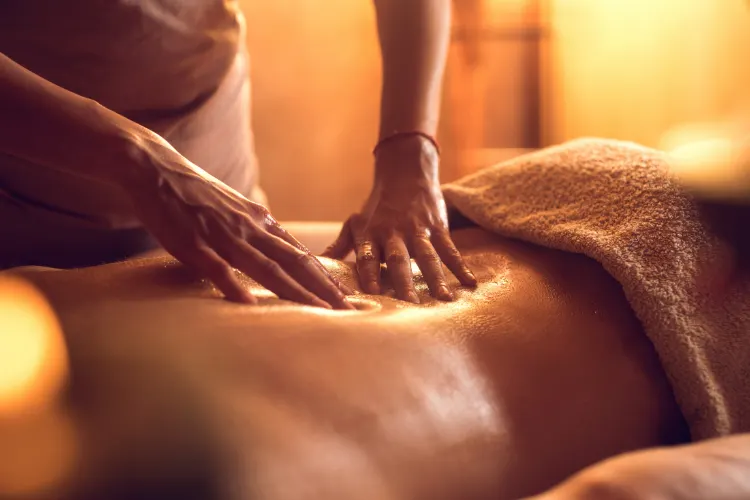
The upper back, shoulder blades, muscles beside the spine, and small of the back may respond to massage or slow tracing. Avoid forceful pressure directly on the spine, and use broader contact over the surrounding muscles.
Hips and Waist
The waist, hips, and sides of the pelvis connect the upper and lower body. Steady contact can feel grounding, while slow movement around the waist builds anticipation.
Lower Body
Buttocks
The buttocks may respond to massage, stroking, warmth, or pressure. Preferences for intensity vary, so never assume stronger contact is wanted.
Inner Thighs
The inner thighs are common erogenous zones because the skin is sensitive and the area is close to the genitals. Starting farther from the pelvis lets sensation and anticipation develop gradually, and gives the person time to decide whether they want the touch to continue.
Knees and Legs
The backs of the knees can be unexpectedly sensitive. The thighs, calves, shins, and ankles may also respond to massage, slow strokes, or steady pressure. Be mindful of joint problems, injuries, muscle soreness, and circulation concerns.
Feet and Toes
Feet contain many sensory receptors, which makes them highly responsive for some people, and a foot massage may feel relaxing, intimate, or pleasurable. For others, foot contact is uncomfortable or intensely ticklish. Keep hands and shared items clean, and avoid sore or injured areas.
Genital and Pelvic Zones
Genital and pelvic areas are often highly sensitive, but sensitivity never makes touch automatically welcome. Explicit consent, clean hands, appropriate lubrication, and ongoing communication are essential.
Vulva and Clitoris
The vulva includes external structures such as the labia, clitoral glans, and surrounding tissue. The vagina is the internal canal and is not another word for the vulva.
Only part of the clitoris is externally visible. Much of the structure extends internally around the vaginal area, as shown in this clitoral anatomy overview. Clitoral sensitivity can be intense, and many people prefer indirect touch around the area before direct contact. More pressure does not necessarily produce more pleasure, and overstimulation can quickly become uncomfortable.
Vaginal Area
The vaginal opening and surrounding tissue may be sensitive, but internal sensation varies widely. Some people enjoy internal stimulation, while others prefer external touch or no vaginal contact at all.
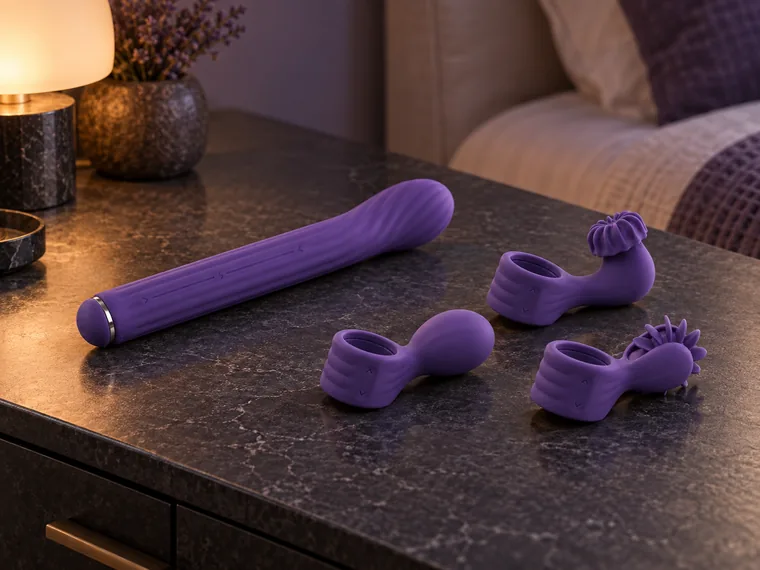
For people who want to explore both, a toy can make pressure and pace easier to control. The SecHeal Wave is a wand-style vibrator with four interchangeable heads: a broad wand head for external, indirect vibration around the vulva and clitoris, a curved G-spot head and a thrusting head for internal play, and a separate pulse pattern. It offers three intensity levels and several rhythm patterns, so you can start low and step up only if it feels good. The controls sit on the device with no app to pair, it runs quietly (up to about 60 dB, roughly conversation volume), and its IPX6 rating means it can be rinsed under running water after use. Water-based lubricant is the safest default with most toys.
Pause when discomfort occurs. Frequent or severe pain during sexual activity should be discussed with a qualified health care professional. The American College of Obstetricians and Gynecologists explains possible causes of sexual pain and when to seek care.
Penis and Frenulum
The glans, shaft, foreskin when present, and frenulum may each respond differently to pressure, movement, and lubrication. The frenulum is the sensitive band of tissue where the underside of the glans meets the shaft.
Excessive friction can irritate this tissue even when contact initially feels comfortable. Lighter pressure, more lubricant, and rest days usually help, and our guide on how often to masturbate explains how to tell normal soreness from a problem.
For solo exploration with a device, the SecHeal Pulse is an automatic masturbator with stroke speed adjustable from 30 to 620 mm per second, plus rotation, adaptive air pressure, and dual vibration that can be used alone or layered. Manual, auto, and custom modes make it easier to build intensity gradually and back off as soon as sensation changes. If you prefer warmth, the SecHeal Ember combines stroking, rotation, air-pulse suction, and vibration with a base that handles heating, UV sterilization, and drying, plus an IPX7 washable sleeve; warmth should always feel comfortable, so follow the manufacturer's guidance. To compare motion types, controls, and smart features, see our guide to automatic male masturbators. Use lubricant, wash removable sleeves separately after use, and never submerge a unit that is not rated for water. The care FAQ covers first use and sleeve care.
Scrotum
The scrotum and surrounding tissue may respond to gentle touch, warmth, or light pressure. The testicles can be injured by squeezing or forceful impact, so handle them carefully.
Perineum
The perineum is the area between the genitals and anus. It contains nerves and tissues involved in pelvic function and may be sensitive across different anatomies. Some people enjoy gentle external pressure, while others prefer no contact here.
Anus and Prostate
The anus contains sensitive nerve endings and can be an erogenous zone regardless of gender or sexual orientation. People who have a prostate may also experience pleasure from prostate stimulation through the rectum.
Anal exploration requires explicit consent, patience, and generous lubrication, because the anus does not lubricate itself. Barriers such as condoms or dental dams can help reduce the risk of sexually transmitted infections. This safer-sex guidance explains how barriers and compatible lubricants reduce friction and risk.
Use water-based lubricant with latex or polyisoprene condoms and with most toys. Silicone-based lubricant also works with condoms but can damage silicone toys, and oil-based products can weaken latex and increase the chance of breakage. Anyone using a toy should choose one designed for anal use with a flared base, because objects without one can become lodged. Do not move fingers, toys, or other objects from the anus to the vagina or mouth without washing them thoroughly or changing the barrier. Stop if there is sharp, persistent, or worsening pain.
Finding Your Pleasure Zones
A personal pleasure map is discovered through attention rather than performance. No area has to feel sexual, and there is no required number of zones.
Begin in a comfortable, private setting without time pressure. Neutral areas such as the shoulders, arms, hands, or legs make an easy starting point. Explore one area at a time and compare:
- Light touch with firmer pressure
- Still contact with continuous movement
- Slow rhythms with moderately faster ones
- Touch over clothing with direct skin contact
- Warm sensations with mildly cool ones
Avoid extreme heat or cold, especially on delicate skin. Notice whether each sensation feels pleasurable, relaxing, neutral, ticklish, overstimulating, numb, or uncomfortable. Every response is useful information, and your preferences will keep changing with mood, stress, and health.

Exploring With a Partner
Partnered exploration works best when communication is part of the experience. Consent should be freely given, specific, informed, and ongoing. Agreement to one activity does not imply agreement to another, and consent can be withdrawn at any time.
Simple check-ins keep communication natural:
- "Does this feel good?"
- "Would you prefer lighter or firmer pressure?"
- "Should I keep going?"
- "Would you like me to try somewhere else?"
- "Do you want to pause or stop?"
Body language offers additional feedback but does not replace verbal consent. Silence, stillness, nervous laughter, intoxication, or lack of resistance should never be treated as permission. Redirection is normal, and hearing "not there" is not rejection.
Common Mistakes
- Moving to genital touch without clear consent
- Assuming previous consent still applies
- Applying too much pressure too quickly
- Focusing only on the genitals
- Ignoring tension, numbness, ticklishness, or pain
- Treating orgasm as the only measure of pleasure
The Best Body Map Is Your Own
A complete map of erogenous zones can introduce new possibilities, but it cannot determine what should feel good. Pleasure is not a performance, and comfort, communication, and personal response matter more than any technique. Explore gradually, communicate openly, and let curiosity, consent, and careful attention guide you.
Erogenous Zones FAQs
What Are Erogenous Zones?
Erogenous zones are areas of the body that may become especially sensitive, pleasurable, or sexually arousing when touched. Common examples include the lips, ears, neck, nipples, inner thighs, genitals, and perineum. Whether an area works as an erogenous zone depends on personal sensitivity, preferences, emotional associations, and context.
Where Are the Erogenous Zones?
They can be found from head to toe, from the scalp and ears to the inner thighs, feet, genitals, perineum, and anus. A general body map suggests areas to try, but individual feedback is the most reliable guide.
How Many Erogenous Zones Are There?
There is no fixed number. One person may identify only a few strong pleasure points, while another experiences sensitivity across many areas, and the number and location can change over time.



Leave a Reply