Some women can orgasm from vaginal penetration alone, but many need additional clitoral stimulation. Research shows that sexual responses vary, and penetration-only orgasm is not a measure of sexual health or satisfaction.
Understanding the evidence starts with one distinction: orgasming during penetration is not necessarily the same as orgasming from penetration alone. Additional stimulation from a hand, a vibrator, or external contact around the clitoris may contribute.
Table of Contents
What Does the Research Say?
Studies provide useful estimates, but their findings depend on how researchers define penetration, stimulation, and orgasm.
How Common Is Penetration-Only Orgasm?
A U.S. probability-sample study of 1,055 women ages 18 to 94 examined experiences with genital touching, pleasure, and orgasm. Published in the Journal of Sex & Marital Therapy in 2018, it reported the following:
| Reported experience | Percentage |
| Intercourse alone was sufficient for orgasm | 18.4% |
| Clitoral stimulation was necessary for orgasm during intercourse | 36.6% |
| Clitoral stimulation was unnecessary but made orgasms feel better | 36.0% |
These are selected findings, not a complete breakdown of all responses.
The 18.4% figure does not describe how often respondents orgasmed. It indicates that intercourse alone was sufficient for them, without establishing that this happened consistently.
The other categories also require care. Needing clitoral stimulation and finding that it improves orgasm are different experiences. Adding the latter two groups does not mean that 72.6% required clitoral stimulation.
Do most women orgasm from penetration alone? This study does not support that conclusion. However, one U.S. estimate should not be treated as a universal percentage.

Why Do Study Results Vary?
Research questions can measure different aspects of orgasm:
- Ability: Has someone ever orgasmed from penetration alone?
- Frequency: How often does someone orgasm during intercourse?
- Reliability: Which stimulation most consistently leads to orgasm?
Someone may occasionally orgasm from penetration alone while finding clitoral stimulation more reliable.
A study of survey wording and orgasm reports found that reported frequencies changed depending on whether questions explicitly included or excluded additional clitoral stimulation. When questions left this unspecified, participants interpreted “orgasm during intercourse” differently.
Differences in participants and recruitment methods also affect results. Self-reported experiences help researchers understand sexual responses, but they cannot identify precisely which tissues or nerves contributed to an orgasm.
How Does the Clitoris Affect Orgasm?
The terms “vaginal orgasm” and “clitoral orgasm” can suggest a clearer anatomical separation than research supports.
Internal and External Anatomy
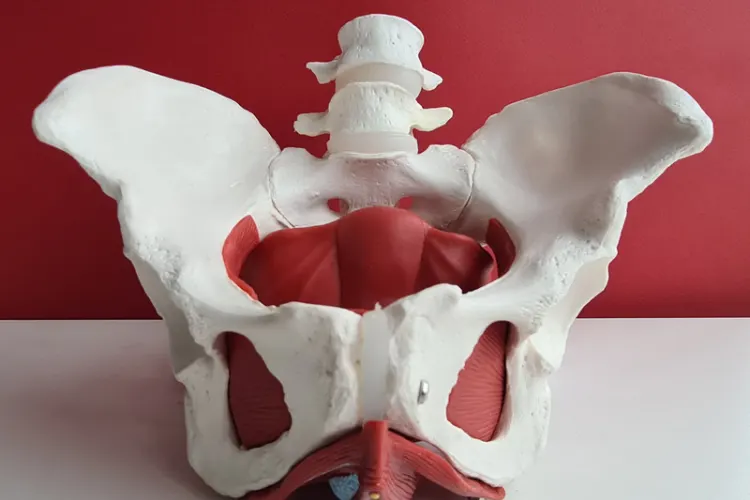
The visible clitoral glans is part of a larger structure extending beneath the surface. An anatomical review of the clitoris describes its close relationship with the urethra, vagina, and surrounding tissues.
Pressure or movement in one area may therefore affect nearby structures. Still, these relationships do not predict whether a particular person will orgasm from penetration.
Direct vs. Indirect Stimulation
Direct stimulation involves contact with the external clitoral area. Indirect stimulation can occur through pressure or movement in surrounding tissues, including during vaginal penetration.
That indirect stimulation may be sufficient for some women but insufficient for others. “Penetration alone” describes the activity being reported, not proof that the clitoris played no role.
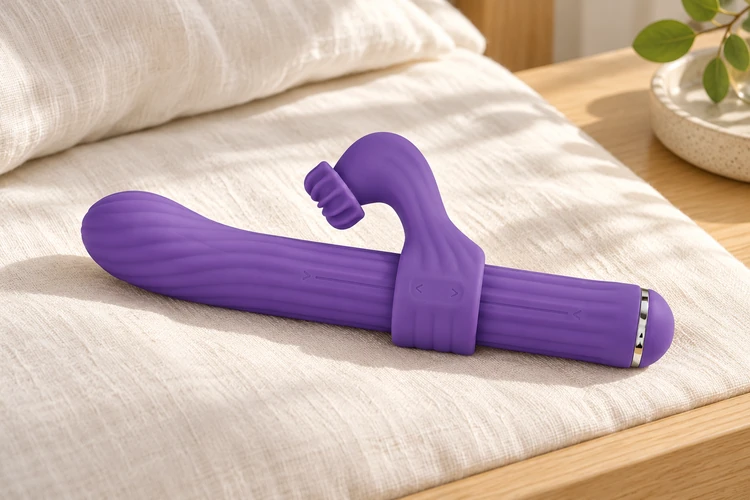
External vibration adds another form of stimulation. A wand vibrator with interchangeable attachments, such as Secheal Wave, offers seven vibration modes and three intensity levels for exploring different rhythms and strengths. Using external vibration alongside penetration would involve combined stimulation, rather than penetration alone.
These settings provide choices; they do not establish that a particular pattern will produce orgasm.
Why Experiences Differ
Many women do not orgasm from penetration alone because their preferred stimulation differs from what penetration provides. Arousal, context, and health can also influence the response.
Different Stimulation Needs
Location, pressure, rhythm, and intensity all matter. Penetration may feel pleasurable without supplying enough of the stimulation needed for orgasm.
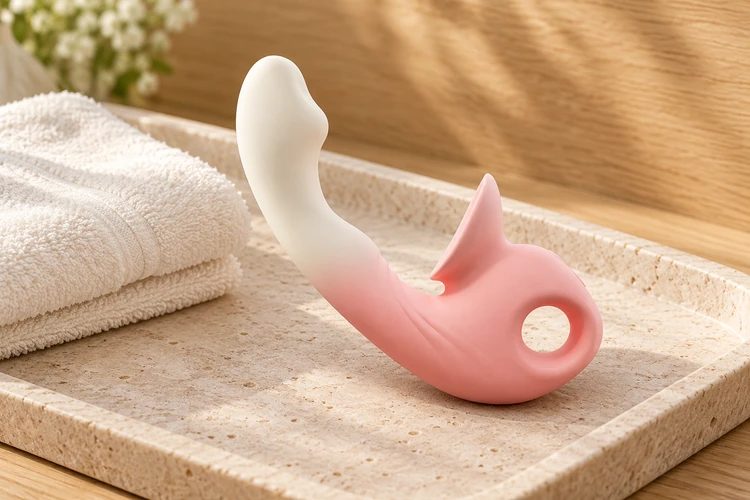
For exploring different sensations, a suction and vibration massager such as SecHeal Bliss provides 12 vibration modes and seven suction modes. These options allow variation in stimulation, but more settings do not guarantee better results.
Neither a device nor a particular technique is required to make penetration alone sufficient.
Arousal and Context
Stress, distraction, discomfort, and pressure to orgasm can affect sexual response. Clear communication helps match stimulation to individual preferences.
However, needing clitoral stimulation should not automatically be attributed to insufficient relaxation, arousal, or connection with a partner. It may simply reflect the stimulation that works best for that person.
Health and Medication Changes
Some medications, including certain antidepressants, as well as medical conditions and gynecological treatments, can affect orgasm. A recent change deserves different consideration from a longstanding preference for a particular type of stimulation.
The Mayo Clinic’s overview of orgasm difficulties explains that orgasm frequency, intensity, and stimulation needs vary. Not orgasming from penetration alone does not, by itself, indicate a disorder. New difficulties or persistent concerns that cause distress warrant discussion with a healthcare professional.

FAQ
Is It Normal Not to Orgasm From Penetration Alone?
Yes. Many women need additional clitoral stimulation. Penetration can also be enjoyable without leading to orgasm.
Do Most Women Require Clitoral Stimulation to Orgasm?
Clinical guidance describes clitoral stimulation as necessary for many women, but exact percentages depend on what a study measures. In the U.S. study above, 36.6% reported needing it during intercourse, while another 36.0% said it improved orgasm without being necessary. Those categories should not be combined into a “required” percentage.
Are Vaginal and Clitoral Orgasms Different?
These labels can describe the location of stimulation or differences in sensation. They do not necessarily identify completely separate anatomical mechanisms, and neither represents a superior type of orgasm.
Can You Learn to Orgasm From Penetration Alone?
Sexual responses may change with experience or circumstances, but no method guarantees penetration-only orgasm. Needing additional stimulation is not a failure to learn.