
Sharing a new kink with your partner can feel vulnerable. You might worry about being judged, making them uncomfortable, or suggesting that something is missing from your relationship.
Start with a private conversation outside of sexual activity. Explain what interests you, invite an honest response, and make clear that you’re asking to talk. Whether you’re sharing a fantasy or considering a new experience, the first step is understanding each other.
Table of Contents
Get Clear on Your Interest
Separate Fantasy From Intent
Ask yourself what you want to share: a fantasy you enjoy thinking about, an idea you’re unsure of, or something you’d like to try.
Be clear about the difference. You could say, “This interests me as a fantasy, but I don’t know whether I’d want to act on it.”
You don’t need to explain exactly where the interest came from. Focus on what appeals to you and what you’re still figuring out.
Know Your Boundaries
Identify the parts that interest you and anything you would exclude. Broad labels can mean different things to different people, so prepare to describe your interest in plain language.
Consider emotional boundaries, too. You may want the conversation to stay private, prefer a certain language, or need time before making plans. Knowing your limits will help you discuss your partner’s with equal care.

Choose the Right Moment
Talk in a Private, Relaxed Setting
Choose a time when you’re both sober, have privacy, and aren’t rushing. Avoid introducing the subject during an argument or immediately after a disagreement about intimacy.
Talking outside of sexual activity gives both people room to think without feeling expected to act. The first conversation can be brief, with more discussion later if you both want it.
Ask Before Starting the Conversation
Check whether your partner is ready for a personal topic:
“There’s something about intimacy I’d like to talk about. Is now a good time?”
If they decline, ask whether another time would work without insisting on an immediate conversation. Before showing articles, images, or other material, briefly describe what you want to share and ask permission.
Bring Up Your Kink Without Pressure
Use “I” Statements
Describe your curiosity without assigning your partner a role or telling them how they should feel.
“I’ve been curious about this” invites a response. “You need to be more adventurous” introduces criticism. Avoid comparisons with previous partners or suggestions that agreement would prove love or trust.
When it’s honest, reassurance can help: “I enjoy what we have together, and I wanted to share something that interests me.”
Explain What Interests You
Describe the aspect that appeals to you, such as novelty, a particular dynamic, or another way to connect. Give enough context to be understood, then ask, “How does that sound to you?”
Clarify unfamiliar terms and check whether your partner wants more detail. Their understanding of the idea may differ from yours.
When a toy is part of your interest, introducing a sex toy without pressure begins with explaining its appeal and asking about your partner’s feelings before discussing a purchase.
Try Simple Conversation Starters
Choose words that sound natural to you:
| Your intention | What you could say |
| Share a fantasy | “Could I tell you about a fantasy? I’m not asking us to act on it.” |
| Discuss a possible experience | “There’s something I’m curious about trying. Would you be open to talking about it?” |
| Leave time for an answer | “You don’t need to decide now. Take some time to think about how you feel.” |
After asking, leave space for a response. A pause doesn’t mean you need to explain more or make a stronger case.
Make Space for Their Response
Listen Without Defending
Your partner may feel curious, hesitant, confused, or surprised. Ask questions before interpreting their reaction.
“Would you like to tell me what concerns you?” can help distinguish discomfort with the activity from uncertainty about what you’re asking.
Listen without treating every concern as an obstacle to overcome. You can also ask for kindness: “It’s okay if this isn’t for you. Sharing it feels personal, so I’d appreciate a respectful conversation.”
Give Them Time to Think
Ask whether your partner wants more information, time to reflect, or to leave the topic there.
If they want to revisit it, agree on whether you should check in or let them bring it up. Avoid repeated reminders that turn the discussion into an obligation.
Accept a No Without Bargaining
Accept a clear no without asking for a trial or an explanation that satisfies you.
“Thanks for being honest. I respect that” is enough.
Disappointment is understandable, but avoid guilt, threats, or repeated requests to change their answer. Declining one idea doesn’t require your partner to offer an alternative.
Agree on Boundaries Before Trying It
Discuss Interests and Limits
Once you’re both interested, clarify the specific experience you’re considering. Discuss:
- What each person wants to try.
- What is off limits or undecided.
- Who will participate and in what way.
- What preparation or information you need.
- What should remain private afterward.
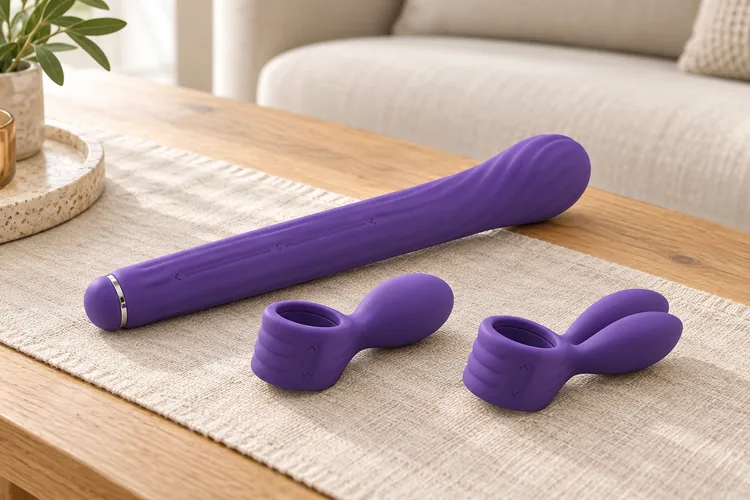
For a toy-related interest, connect the features to those decisions. The Secheal Wave vibrator wand has on-device controls, three intensity levels, and interchangeable attachments. Discuss who would operate the controls, what intensity limit you would agree on, and which attachments would stay out of the plan. Choosing one feature doesn’t mean agreeing to explore the others.
Looking at a product together creates no obligation to buy or use it. Research activity-specific risks separately before making plans.
Agree on Check-Ins and Stop Signals
Decide how you’ll communicate uncertainty, discomfort, or a wish to stop. Use clear words and discuss a nonverbal signal if speaking may be difficult.
Any request to stop should be honored immediately, even without an agreed signal. Check in along the way, too. If someone seems uncomfortable, becomes unexpectedly quiet, or responds unclearly, pause and ask. Silence is not permission to continue.
Make Clear Either Person Can Change Their Mind
Either person can change their mind after making plans or beginning an activity. Agreement on one occasion doesn’t establish permission for the next.
Say it plainly: “We can stop or change plans at any point.”
Follow through by stopping without argument and asking what the person needs. You can also agree to talk afterward about what felt comfortable and whether anything should change.

FAQ
How Do I Bring Up a Kink Over Text?
Ask whether your partner is comfortable discussing something personal by text. Try, “There’s something about intimacy I’ve been curious about. Would you rather talk here or in person?” Avoid sending explicit material without permission. Consider whether messages could appear on shared devices or notification screens.
What If I’m Afraid of Being Judged?
Explain that the topic feels vulnerable and share only as much as you’re comfortable sharing. You can pause a hurtful conversation while respecting your partner’s right to decline. If you fear threats, retaliation, or harm, you don’t have to disclose the interest.
What If My Partner Says Maybe?
Ask what they mean: would they like more information, time to think, or no further discussion for now? Wait until you both clearly agree on a specific activity and its boundaries before proceeding.