

Sex can feel like a chore when obligation, exhaustion, discomfort, or an unsatisfying routine crowds out enjoyment. You may care deeply about your partner and still feel little interest in the sex you're having.
Start by identifying what feels demanding. A more enjoyable sex life depends on room to choose freely, communicate preferences, and explore what feels good for both people.
Table of Contents
Why Sex Feels Like a Chore
Stress, Exhaustion, and Mental Load
Work, caregiving, household tasks, and tomorrow's schedule can leave little energy for intimacy. Having time available doesn't necessarily mean feeling rested or mentally present.
Timing can add to the problem. An invitation that arrives when one person is already trying to fall asleep may feel like another demand. Persistent exhaustion deserves attention beyond finding a better moment for sex.
Guilt, Pressure, and Obligation
Sex can become a way to prevent conflict or reassure a partner. You might agree because you feel guilty, worry about disappointing them, or want to avoid another argument.
Notice whether declining feels like a real option. Agreeing because you fear anger, punishment, or repeated pressure raises concerns about whether the choice is freely made.
Routine and Unequal Pleasure
A familiar routine can be enjoyable, but it needs to reflect both people's preferences. When one partner always chooses the activities, sets the pace, or decides when sex ends, pleasure can become one-sided.
Unresolved resentment or emotional disconnection may add to that frustration. Consider whether both people have space to ask for changes and receive attention.
Pain and Changes in Desire
Anticipating discomfort can make sex feel demanding. Pain, vaginal dryness, hormonal changes, and some medications can affect desire or enjoyment. Depression, anxiety, and other health conditions may also contribute.
Wanting sex less often than a partner doesn't automatically indicate a medical problem. Pain, sudden changes, or ongoing personal distress deserve assessment rather than pressure to increase frequency.
Restore Choice and Remove Pressure
Make Saying No Safe
Either person should be able to decline, pause, or stop without bargaining or proving their love. Agreeing to one activity doesn't commit anyone to another.
Disappointment can be acknowledged without repeated requests, guilt-tripping, or withdrawing affection as punishment. If saying no leads to threats, intimidation, or retaliation, prioritize confidential individual support and safety. Communication exercises alone won't resolve coercion.
Separate Affection From Sexual Expectations
When every kiss or cuddle seems to lead to sex, even welcome affection can start to feel loaded.
Ask for the contact you actually want: "Would you like to cuddle for a while?" Let it stay within that agreement, and check in before changing the activity. Sitting close, holding hands, or sharing a back rub can be complete experiences without an expected next step.
Understand Responsive Desire
Some people experience spontaneous desire before sexual contact begins. Others notice desire developing in response to welcome stimulation. This is responsive sexual desire.
You might feel interested in kissing without already feeling strongly aroused. That willingness can leave room to discover whether you want to continue, with no requirement for desire to develop.
Responsive desire doesn't justify pushing through reluctance. Pause if you're unsure whether you want contact, and remember that choosing to begin doesn't remove the freedom to stop.

Talk About What Needs to Change
Explain What Feels Difficult
Choose a calm moment outside a sexual encounter. Describe a specific difficulty and what would make a difference, rather than making a broad judgment about your partner or relationship.
| What feels difficult | A way to explain it |
| You're exhausted at the usual time. | "By bedtime, I'm running on empty. I'd prefer time together earlier in the day." |
| Affection comes with expectations. | "I'd enjoy more cuddling with no expectation of sex." |
| Your preferences get overlooked. | "I'd like more time to explore what feels good for me and give you feedback." |
| Declining leads to conflict. | "I need my no to be accepted without an argument about how much I care." |
Listen to the response and agree on concrete changes, such as a different time to connect or more room for feedback.
Discuss Desire Differences Without Quotas
Different desire levels don't make either partner the standard the other must meet. Talk about what each person misses and which forms of closeness both would welcome.
Agree on ways to initiate sex without pressure, whether that means a direct question, more advance notice, or a different time of day. A preferred frequency should never become a commitment that overrides how someone feels on a particular occasion.
Rediscover Enjoyment Together
Address Exhaustion and Share Responsibilities
Look at who plans meals, tracks appointments, notices household tasks, and follows through. Sharing responsibility includes planning and remembering, not just completing tasks after being asked.
Agree on a division that gives both people meaningful time to rest. A fairer workload matters for daily well-being; it creates no obligation to have sex and doesn't guarantee increased desire.

Explore What Feels Good
Identify the conditions and sensations you enjoy: privacy, unhurried attention, a lighter touch, or more control over the pace.
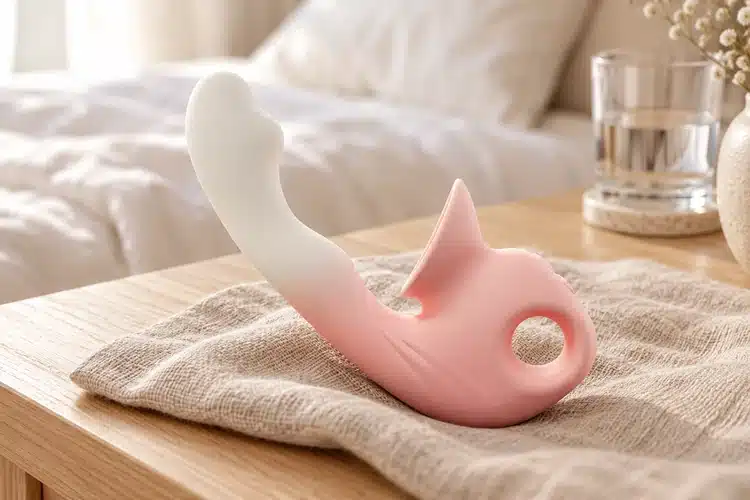
When choosing vibrators and suction massagers, use those preferences to guide the decision. Toys are optional, and purchasing one creates no obligation to use it.
SecHeal Bliss combines adjustable suction and vibration with 12 vibration patterns and 7 suction modes. These settings let you compare rhythms and suction sensations. Use on-device controls for direct adjustments, or app control if phone-based operation appeals to you. App use requires pairing and compatible software, so choose the simpler setup when technical steps would interrupt the moment. There's no need to work through every mode.
Focus on Pleasure Over Performance
An expectation to orgasm, maintain an erection, or follow a particular sequence can pull attention away from enjoyment. Use clear feedback instead of guessing:
- "A little lighter."
- "Keep that pace."
- "I'd like something different."
- "I'd like to stop."
To explore different contact sensations without a phone setup, use Secheal Wave's interchangeable attachments and on-device controls. Three intensity levels allow adjustments directly on the wand. Let the person receiving stimulation choose the attachment and intensity, starting at the lowest level. Keep one preferred attachment in place if switching would disrupt the flow. Orgasm doesn't have to be the measure of a satisfying experience.

Explore Beyond Penetration
Kissing, touching, and other mutually wanted activities can stand on their own. Talk about which experiences each person enjoys rather than assuming they should all lead to penetration.
For nipple play, SecHeal Spark combines nipple suction and vibration with 12 vibration patterns and suction adjusted by gently squeezing the body. Choose it when nipple stimulation interests both people. Adjusting suction requires hands-on attention, so check comfort as you change the pressure. Follow the instructions and stop if stimulation feels uncomfortable.
Keep familiar activities that both people enjoy. Novelty can add variety, but it doesn't need to become another task.
Make Time Without Making Sex Mandatory
Set aside time with an open-ended invitation: "How about some time together Saturday afternoon, with no set plan?"
That time might involve talking, cuddling, sex, or relaxing together. Notice whether invitations feel easier and feedback is welcomed. Those changes reveal more about enjoyment than frequency alone.

When to Seek Support
Pain or Persistent Changes in Desire
Speak with a healthcare professional if sex is painful, desire changes suddenly, or an ongoing change concerns you. Note when it began, whether it followed a medication change, and whether it occurs during solo activity, partnered activity, or both.
Discuss suspected medication effects with the prescriber before changing or stopping treatment.
Ongoing Distress or Relationship Conflict
A licensed therapist with training in sexual concerns can help address communication, expectations, and relationship patterns. Mayo Clinic includes counseling and sex therapy among the care options for low sexual desire.
Set goals that reflect your concerns, such as communicating preferences or understanding changes in desire. Toys can offer different sensations, but they don't treat underlying medical conditions or resolve coercion.
FAQ
Why does sex feel like a chore even though I love my partner?
Love doesn't remove exhaustion, discomfort, pressure, or dissatisfaction with a sexual routine. Look at what makes intimacy demanding and whether both people's preferences receive attention. Desire doesn't have to serve as proof of love.
Does responsive desire mean I should have sex when I don't want to?
No. It describes how desire may develop during freely chosen stimulation. It never requires unwanted contact. You can choose affection without agreeing to anything further and stop even if you initially wanted to explore.
Can scheduling intimacy make sex feel less like a chore?
It may help when lack of time is part of the problem. Keep the activity open and agree that spending time together doesn't require sex. Change the arrangement if it adds pressure.



Leave a Reply