

An erection that does not return soon after masturbation can raise an unsettling question: did masturbation cause erectile dysfunction (ED)? Timing alone cannot answer it. Normal recovery after orgasm, differences between solo and partnered sex, and other health factors can all affect erections. The evidence helps separate these possibilities, but it has limits.
Table of Contents
Can Masturbation Cause ED?
The short answer
Masturbation itself has not been shown to cause lasting erectile dysfunction. ED involves difficulty getting or keeping an erection firm enough for sex. One difficult night, especially when you are tired, stressed, or have just ejaculated, does not by itself mean you have ED. The National Institute of Diabetes and Digestive and Kidney Diseases (NIDDK) lists several possible contributors, including health conditions, medications, and emotional factors.
Temporary changes after ejaculation
After orgasm, many men need time before another erection or orgasm is possible. This is the refractory period. Its length varies from person to person and can change with age. Not being ready again immediately after masturbation is therefore not, on its own, evidence of ED. The International Society for Sexual Medicine (ISSM) explains this normal recovery phase.
The more useful clue is whether the difficulty keeps happening when you have not recently ejaculated.

What Does the Evidence Show?
Masturbation frequency and ED
In a study of 3,586 men, masturbation frequency had a weak or inconsistent association with erectile function after researchers accounted for other factors. A separate survey of men ages 18 to 35 found that masturbation frequency was not a significant factor in its analysis of ED. These studies do not support the claim that masturbating more often generally leads to erectile problems.
There is no universal weekly limit that defines healthy masturbation. The number matters less than its effects: soreness, lost sleep, distress, or interference with daily life are better reasons to reassess a habit. For a closer look at frequency, see how often you should masturbate.
What studies cannot prove
These studies rely on self-reported habits and symptoms and observe people rather than assigning them a masturbation frequency. They can identify associations, but cannot show that masturbation caused ED or that changing frequency would resolve it. Online survey participants may also differ from the wider population, while stress, health conditions, medications, and relationship circumstances can affect the results.
Someone who already finds partnered sex difficult might also choose solo sex more often. The studies cannot determine whether that happens.
Intense stimulation and partnered sex
Erections may differ during solo and partnered sex. A study comparing sexual response in both settings found less reported impairment during masturbation than during partnered sex among men with moderate or severe sexual difficulties. That pattern does not show that masturbation caused the difficulty. Anxiety, expectations, and the ability to control stimulation are possible explanations.
Very firm pressure, friction, or one familiar rhythm may make other sensations feel different. Research on whether particular masturbation techniques cause ED is limited, so avoid treating a change in technique as a proven cure. If stimulation feels uncomfortable, try less pressure, use lubricant if appropriate, and stop if it hurts.
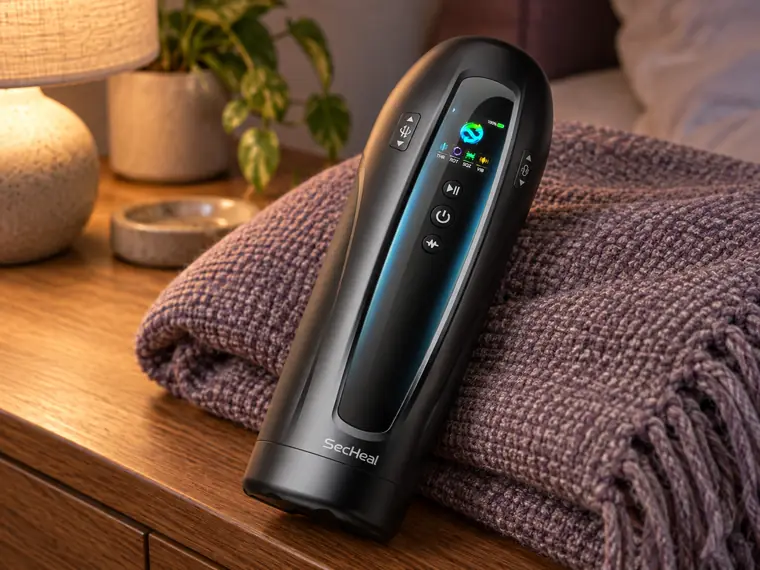
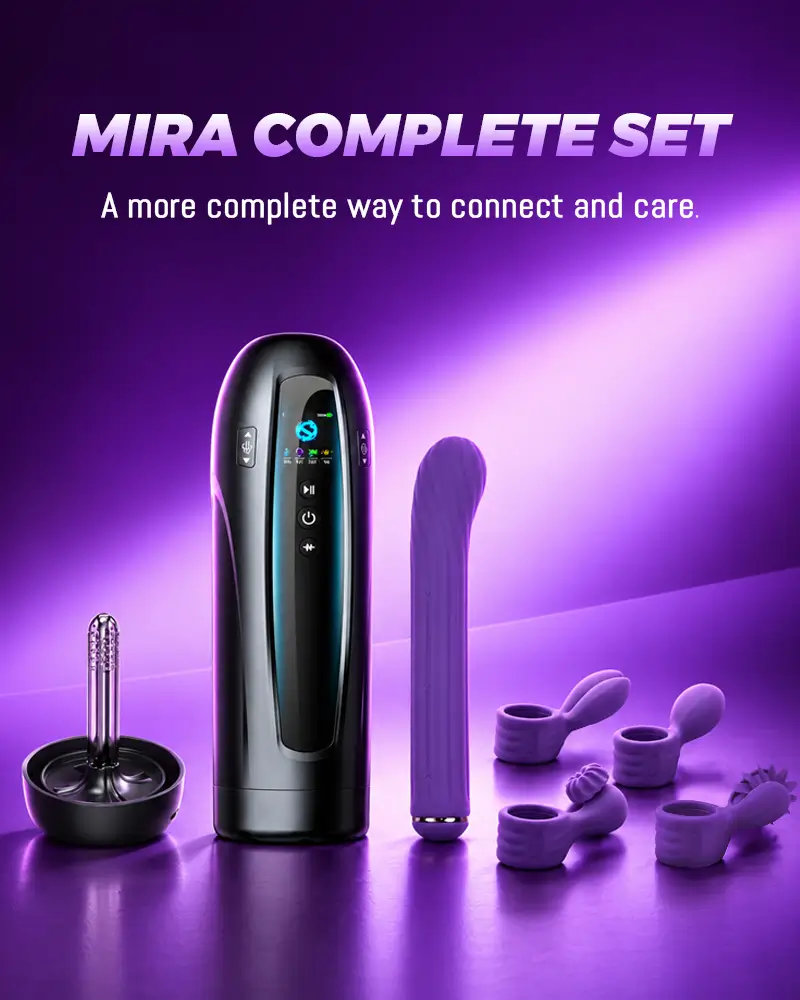
For toy use, adjustable settings can help you avoid an uncomfortable intensity. Secheal Pulse's motion controls allow stroking, rotation, air pressure, and vibration to run separately or together, with manual and custom modes. Those options let you vary the sensation or dial it back; they are not a treatment for ED.
What Else Could Explain ED?
Stress and performance anxiety
Worrying about whether you will get an erection can itself make sex feel stressful. Anxiety, low mood, and relationship tension may affect sexual response. Being able to get an erection alone but not with a partner is useful information, though it does not prove the cause is psychological or rule out a physical contributor.
Talking with a partner about what feels good and taking the focus off erection as a measure of success may help reduce pressure. If anxiety keeps recurring, a clinician or qualified sex therapist can help.
Health conditions and medications
Diabetes, heart or blood vessel disease, high blood pressure, and hormone problems can contribute to ED. So can some medications, including certain antidepressants. Smoking, heavy alcohol use, and low physical activity may also play a role. Several factors can overlap, which is why a persistent change deserves attention even if you first noticed it after masturbating.
Do not stop a prescribed medication on your own because you suspect it is affecting erections. Ask the prescribing clinician whether it could play a role and what options are available.

When to Seek Help
Persistent erection problems
Make an appointment with a healthcare professional if erection difficulties keep happening or are causing distress. Seek care promptly if the change follows an injury or comes with pain or a new bend in the penis. You do not need to identify the cause before asking for help.
What a clinician may ask
It may help to note a few details before the visit:
- When the difficulty started and how often it happens.
- Whether it occurs during solo sex, partnered sex, or both.
- Whether you notice morning erections, pain, or a change in sensation.
A clinician may ask about medications, health conditions, mood, and sexual habits. As NIDDK's diagnostic overview explains, an evaluation may include a health history, physical exam, and tests when appropriate.
An honest description of your sexual habits can help the clinician assess what is happening.

FAQs
Can masturbating too much cause permanent ED?
Research has not established that frequent masturbation causes permanent ED. There is no universal cutoff for “too much.” If a habit causes soreness or disrupts daily life, change it; if erection problems persist, seek an evaluation rather than assuming the habit is the cause.
Why can I get hard alone but not with a partner?
The two settings can involve different sensations, expectations, and levels of pressure. That difference may offer clues but cannot identify a cause by itself. If it continues or bothers you, discuss it with a clinician.
Should I stop masturbating if I have ED?
There is no evidence that stopping masturbation is a standard fix for ED. If a particular habit causes soreness, adjust it or take a break while the irritation settles. If erection problems continue, seek an assessment of possible causes.


Leave a Reply