
Different sex drives can leave one partner feeling unwanted and the other feeling pressured. Over time, even everyday affection may become complicated when neither person knows what the other expects.
Talking about mismatched libidos starts with a calm conversation outside a sexual moment. Explain your experience, ask how your partner feels, and explore what affects desire for each of you. Then agree on changes you both welcome.
Table of Contents
Understanding Libido Differences
What Are Mismatched Libidos?
Mismatched libidos occur when partners experience different levels or patterns of sexual desire. Also called sexual desire discrepancy, this can involve how often you want sex, when you feel interested, or the circumstances that make intimacy appealing.
Frequency alone does not reveal whether both partners feel satisfied.
Factors That Affect Sexual Desire
Stress, fatigue, relationship tension, discomfort, medications, and hormonal changes can affect libido. Privacy, timing, and whether sex feels enjoyable also matter.
Desire can arise spontaneously or develop during welcome, pleasurable contact, often described as responsive desire. The same person may experience both. Responsive desire is not a reason to start unwanted contact or continue when someone wants to stop.
Why Neither Partner Is the Problem
Neither person’s preferred frequency needs to become the standard the other must meet.
The European Society for Sexual Medicine’s position statement on sexual desire discrepancy recommends recognizing variation in desire and supporting open communication. A difference between partners does not, by itself, establish that the lower-desire partner has a disorder.

How to Start the Conversation
Choose a Calm, Private Moment
Choose a time when neither of you is rushing, exhausted, or expecting sex. Avoid starting the broader discussion immediately after a declined invitation, when it may feel like an attempt to change that answer.
Try a clear opening:
“Could we set aside some time this weekend to talk about our sex life? I’d like to understand how it’s been feeling for both of us.”
You do not need to reach an agreement in one sitting.
Share Your Feelings Without Blame
Describe what you have noticed and how it affects you. Replace “You never want me anymore” with “I’ve been missing sexual closeness and feeling unsure how to bring it up.” This expresses a concern without assuming what your partner feels.
Be specific about what you miss, whether that is sexual pleasure, affectionate touch, flirting, or being approached by your partner. “I wish you initiated sometimes” identifies a different concern from “I’d like us to have sex more often.”
Ask and Listen Before Offering Solutions
Follow your explanation with an open question:
“How has our sex life been feeling for you lately?”
Let your partner finish. They may describe feeling rushed, disliking a familiar routine, or worrying about your response to a declined invitation. Check your understanding: “It sounds like you miss affection that isn’t expected to lead to sex. Is that right?”
If the discussion becomes defensive or circular, pause and agree on a time to return to it.
What to Discuss Together
What Intimacy Means to Each Partner
Ask what makes each of you feel connected and what you mean by “sex.” You may have different expectations about which activities count, what feels satisfying, or whether intimacy needs to lead to intercourse or orgasm.
Discuss affection separately, too. Feeling close through conversation or cuddling may not meet every need for sexual connection.
What Encourages or Reduces Desire
Use recent experiences to make the discussion concrete:
- When has intimacy felt enjoyable and unhurried?
- Are there times when you have more energy or privacy?
- Is any touch or activity uncomfortable or unappealing?
- Are stress or daily responsibilities leaving little room for desire?
When exhaustion is part of the issue, discuss rest and how responsibilities are shared. When discomfort is involved, address it before focusing on frequency.
How to Initiate and Decline Sex
Discuss how each of you likes to be approached. A direct question may feel clearer than hints; some kinds of touch may be welcome only in particular circumstances.
Declining can be brief: “I’m not interested in sex tonight.” Offer an alternative, such as cuddling, only when you want it. The person hearing no can acknowledge disappointment while accepting the answer without bargaining or demanding reassurance.
Needs, Boundaries, and Expectations
Be clear about what you welcome, what you do not want, and what you are uncertain about. “I’d enjoy more frequent sex” expresses a preference, not an obligation for the other person. A frequency halfway between your preferences is not automatically a workable compromise. Any agreement needs willing participation, and either person can change their mind.
Conversation Starters
Use these examples to put feelings into words, adapting them to how you normally speak.
| Situation | Something you could say |
| You want sex more often | “I’ve been missing the sexual side of our relationship. Could we talk about what we each want and what’s been getting in the way?” |
| You want sex less often | “I care about our connection, and lately I’m interested in sex less often than you are. I’d like to explain what’s been happening for me and hear how it’s affecting you.” |
| You feel rejected | “When I initiate and you aren’t interested, I sometimes start questioning whether you want me. I know that may not be what you’re feeling. Can we talk about it?” |
| You feel pressured | “I’ve started worrying that affection will be expected to lead to sex. I want us to be able to enjoy touch without deciding in advance where it goes.” |
Agreeing on Next Steps
Plan Time Without Sexual Expectations
Choose one manageable change, such as an uninterrupted date or cuddling before sleep. Agree on whether the time will stay nonsexual or leave room for sexual intimacy.
When sex is a possibility, decide how you would enjoy the time if one person is not interested. The plan can still be worthwhile without a particular sexual outcome.
Discuss Solo Pleasure and Privacy
Discuss how solo pleasure fits into your relationship, including privacy and any concerns, without expecting detailed reports about personal experiences.
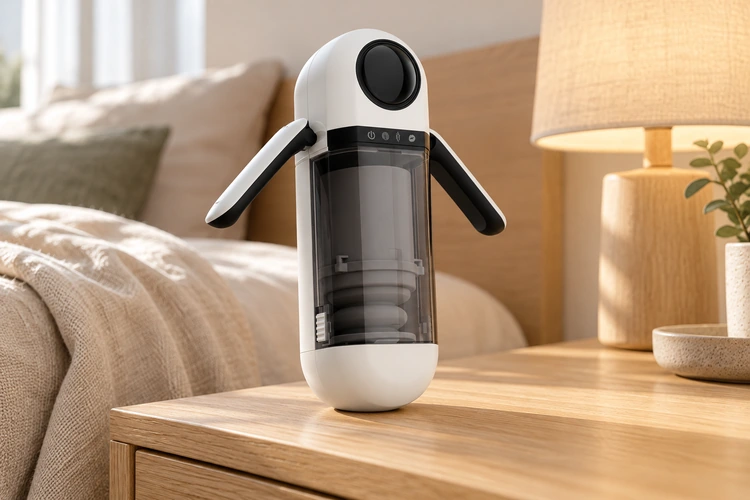
For self-directed solo pleasure, the Secheal Haven male masturbator combines stroking, suction, and vibration with built-in controls. You can explore different sensations directly on the device without app setup or a partner operating it.
Be clear about whether you miss physical pleasure, shared intimacy, or both. Solo pleasure may address one without resolving the other.
Explore Shared Pleasure Only by Agreement
New sensations are worth discussing when both people are curious. Start by introducing sex toys without pressure: explain what interests you, ask about your partner’s preferences, and leave room to decline.
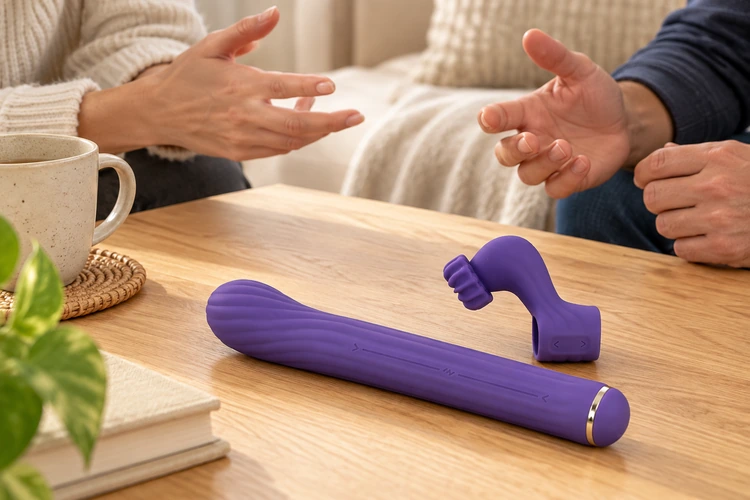
For mutually wanted exploration, the Secheal Wave wand vibrator offers interchangeable attachments for different sensations and three intensity levels to help you find a comfortable starting point. On-device controls let the person receiving stimulation adjust the setting themselves or guide a partner. Begin with one attachment and discuss changes as you go.
A toy may add pleasure; it is not a treatment for mismatched libidos.
Check In and Adjust Together
Agree on a time to review what you tried, such as the following weekend. Keep the check-in specific:
- Did we feel more connected?
- Did anything feel pressured or uncomfortable?
- What should we keep, change, or stop?
Notice changes in comfort, enjoyment, and communication as well as frequency.
When to Seek Professional Support
Consider a qualified sex therapist or couples therapist when discussions repeatedly lead to conflict, avoidance, or distress. Therapy can help you examine the pattern and assess what is workable, without guaranteeing that your preferences will become compatible.
Speak with a healthcare professional about a sudden or troubling change in libido, pain during sex, or possible medication effects. The NHS guidance on low sex drive explains possible contributors. Discuss prescribed medication with your clinician before changing it.

FAQ
Can Couples With Different Sex Drives Be Happy?
Yes, when both people find the arrangement satisfying and their boundaries are respected. Persistent unmet needs still deserve an honest discussion about compatibility, even when communication improves.
Does Lower Libido Mean Less Attraction?
Not necessarily. Attraction can remain strong while stress, discomfort, or health changes reduce interest in sex. Ask how your partner feels rather than interpreting lower desire as proof of reduced attraction.
What If My Partner Avoids the Conversation?
Ask whether timing, privacy, or difficulty finding the words is getting in the way. Try a short written exchange or a planned conversation. If avoidance continues, explain how the unresolved concern affects you and discuss professional support.