
A hug, a good conversation, or a quiet evening together can be enough. Non-sexual intimacy gives you room to enjoy that closeness without wondering whether sex will be expected afterward.
Connection can grow through affectionate touch, honest conversations, shared activities, and everyday care. The starting point is finding out what each of you enjoys and making space for it without requiring a particular outcome.
Table of Contents
What Is Non-Sexual Intimacy?
Non-sexual intimacy is closeness built through emotional openness, mutually welcome affection, shared experiences, and everyday care without sexual activity or an expectation of sex.
It might mean sharing a concern, holding hands on a walk, or making breakfast together. These moments have value whether or not sexual intimacy is part of the relationship.
Understanding what feels connected to you is part of self-care and relationship communication. Your partner may have different preferences, and the meaning of a gesture can change with the context. A kiss might feel affectionate in one moment and sexual in another, so discuss expectations rather than assuming you share them.
Forms and Examples
These categories offer a practical way to recognize different forms of non-sexual intimacy. They often overlap.
| Form of intimacy | What it involves | Everyday examples |
| Emotional | Sharing honestly and feeling heard | Talking about a worry, expressing appreciation, sharing a meaningful memory |
| Physical | Enjoying affectionate touch without sexual expectations | Holding hands, hugging, cuddling, sitting shoulder to shoulder |
| Intellectual | Taking an interest in each other’s thoughts | Discussing a book, exchanging perspectives, exploring an interest |
| Experiential | Connecting through shared activities | Cooking, walking, playing a game, working on a project together |

Ways to Build Non-Sexual Intimacy
Start with one or two ideas that fit your preferences and daily life.
Listen Without Distractions
Put your phone down, pause the show, and give your partner time to finish before responding.
A thoughtful follow-up question can help you understand more: “What was the hardest part?” or “How did you feel about that?”
Before offering advice, ask:
“Do you want help thinking this through, or would you rather I just listen?”
When you cannot focus, suggest a specific time to talk and return to the conversation.
Share Thoughts and Feelings
Schedules, bills, and household responsibilities can take over your conversations. Make room to discuss what you are experiencing beyond those tasks.
Try asking:
- “What has been on your mind lately?”
- “What are you looking forward to?”
- “When did you feel especially connected to me this week?”
Share your own answer so the exchange feels mutual. Start with something small, such as a moment that made you happy or a decision you are unsure about. Neither person needs to disclose more than they feel comfortable sharing.
Show Specific Appreciation
Tell your partner what you noticed and why it mattered.
“Thanks for taking care of dinner when my meeting ran late. It gave me a chance to catch my breath” communicates more than a general “Thanks for everything.”
Appreciation can also focus on personal qualities:
“I enjoyed hearing how excited you were about that project.”
“I appreciated having time to think before we made that decision.”
Let the acknowledgment stand on its own, without attaching a request or expecting affection in return.
Enjoy Affectionate Touch
Holding hands, hugging, cuddling, or leaning against each other can offer closeness when both people enjoy the contact.
Ask when you are unsure:
“Would a hug feel good?”
“Want to sit close, or would you prefer some space?”
When cuddling has often led to sexual initiation, clarify what you want before beginning: “I’d like to cuddle and keep it non-sexual tonight.” Follow that agreement so both of you can relax into the experience.
Spend Time Together
Cook a meal, take a walk, work on a puzzle, or listen to music. Choose something you both enjoy and can participate in without much pressure.
Give each other some attention along the way. Ask about the recipe, notice something on your walk, or share why a song matters to you.
Quiet company counts, too. Reading beside each other or sharing coffee may feel close without continuous conversation. Check whether that kind of time feels satisfying to both of you.

Create Small Rituals
A familiar routine can provide a regular opportunity to reconnect:
- A brief check-in over morning coffee.
- A few minutes together after work.
- A screen-free meal.
- A goodnight conversation or hug.
Keep the ritual flexible enough for tired days and changing schedules. Missing an evening does not need to become a measure of commitment.
Make Room for Play
Share an inside joke, play a game, or remember a trip that did not go according to plan.
Choose humor both people enjoy. Stop when teasing touches a sensitive subject rather than insisting it was harmless.
Let the moment end naturally. A fun evening can finish with laughter and a goodnight.

How to Keep Affection Pressure-Free
Clear expectations make it easier to understand what is being offered and to answer honestly.
State What You Want
Describe the kind of connection you are asking for:
“I’d like to cuddle tonight without it leading to sex.”
“I want some time together, but I’m not in the mood for touch.”
“Could we take a walk and talk for a little while?”
Specific requests are easier to understand than “We need more intimacy,” which could mean more conversation, affection, sex, or shared time. Treat the request as an invitation, with room for a different preference.
Respect Each Other’s Boundaries
Agreeing to one kind of contact does not mean agreeing to another. A hug gives no automatic permission for sexual touching, and either person can change their mind.
Accept a declined invitation without bargaining, repeated requests, or demands for reassurance. Disappointment can be discussed respectfully, but it does not change the boundary.
Alternatives are optional. Someone who declines sex does not owe cuddling instead. Asking “Would you like company or some time alone?” leaves room for either answer.
Discuss Different Expectations
One partner may miss affection while the other misses sexual connection. These needs can overlap, but one experience may not meet both needs.
When differences in desire complicate everyday touch, discussing mismatched libidos can help clarify what each person wants and what has started to feel uncomfortable.
Choose a calm moment outside sexual activity. Discuss:
- Which gestures feel affectionate and which feel like sexual initiation.
- Whether either person avoids touch because of what they expect afterward.
- How to ask about sex without assuming affection is an invitation.
- Which forms of closeness you both currently enjoy.
Agree on something concrete, such as keeping bedtime cuddling non-sexual or asking verbally before initiating sexual contact. Revisit the agreement when needed.
Keep Sexual Exploration Optional
Couples can enjoy non-sexual affection and choose sexual experiences separately. Each experience needs its own willing participation.
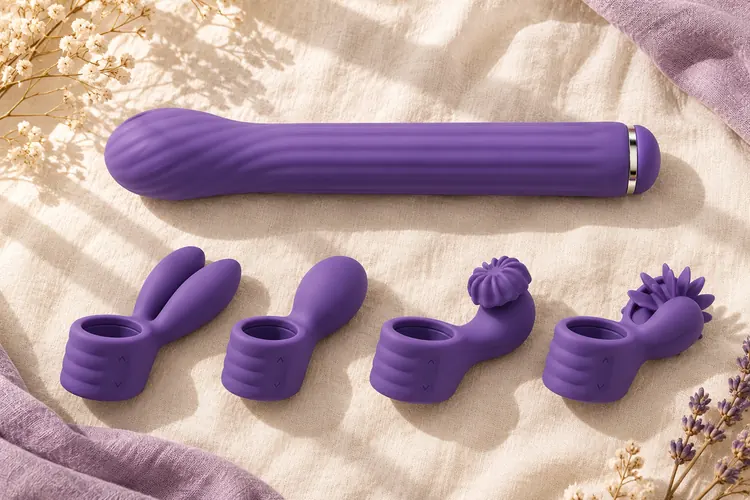
For separately agreed sexual exploration, the Secheal Wave wand vibrator has interchangeable attachments for different sensations and adjustable on-device controls. These features let the person using it choose an attachment and adjust settings directly, rather than relying on a partner to make every change.
That is an option for sexual pleasure, not a requirement for closeness. Using a toy together on one occasion does not make future hugs or cuddling an invitation to sex.
FAQ
Can you be intimate without touching?
Yes. Attentive conversation, shared humor, meaningful activities, and everyday care can create closeness without physical contact. Ask what helps each of you feel noticed and connected rather than assuming touch is essential.
Is it normal to want affection without sex?
Yes. Wanting a hug, a kiss, or cuddling does not automatically mean wanting sexual activity. You can enjoy affection while wanting it to stay non-sexual, and that preference can change from one occasion to another.
What if my partner expects affection to lead to sex?
Discuss the pattern outside an intimate moment. Explain your preference directly: “I want to enjoy cuddling without worrying that sex will be expected.” Agree on how to distinguish affection from sexual initiation. When pressure continues after a clear boundary, address the repeated pressure itself rather than searching for a better way to phrase your request.
What if my partner does not enjoy cuddling?
Ask which forms of connection feel comfortable. Walking together, talking, sharing a hobby, or exchanging thoughtful messages may be more enjoyable. Explain that physical affection matters to you while respecting your partner’s preferences and discussing whether there are types of touch you both welcome.