Finishing sooner than you want or struggling to ejaculate can leave you wondering whether your masturbation habits are responsible. The answer is rarely as simple as masturbating too often or using the wrong technique.
Masturbation timing alone cannot diagnose premature or delayed ejaculation. A closer look at your symptoms, stimulation habits, and health can help explain what is happening.
Table of Contents
How Masturbation Affects Ejaculation?
Can frequent masturbation cause premature ejaculation?
Frequent masturbation does not, by itself, mean you will develop premature ejaculation. How often you masturbate is not enough to explain why you finish quickly. A habit of rushing may contribute for some people, but frequency and technique are different factors.
Premature ejaculation generally involves repeatedly ejaculating sooner than desired, difficulty delaying it, and associated distress. Delayed ejaculation involves a persistent, unwanted delay or inability to ejaculate despite sexual stimulation. Both can have physical and psychological contributors.
How stimulation habits may affect ejaculation
During masturbation, you control pressure, pace, and position precisely. Partnered stimulation may feel different, even when it is enjoyable. Becoming accustomed to a very specific pattern may contribute to difficulty finishing in other situations, but that does not prove permanent loss of sensitivity.
Devices introduce different sensations, too. When choosing male masturbators, consider fit, comfortable stimulation, and how easily you can adjust or stop the movement. More intensity is not automatically better.
Premature Ejaculation and Masturbation
Why do I ejaculate quickly during masturbation?
High arousal, intentionally seeking a quick orgasm, or limited privacy can all affect how quickly you finish. These circumstances do not necessarily indicate a disorder.
Anxiety, relationship stress, erection difficulties, and some medical conditions can contribute. A problem that has been present since your earliest sexual experiences may need a different assessment from one that appeared recently.
Does ejaculating quickly mean I have premature ejaculation?
Not necessarily. One short session, or a consistently quick routine that does not bother you, is not enough to establish a disorder.
Clinical assessment considers the pattern, perceived control, distress, and sexual context. Time thresholds developed for penetrative sex should not be applied directly to masturbation. There is no universal solo-session length you need to meet.
Can the stop-start technique help?
The stop-start technique is a behavioral approach that may help some people recognize rising arousal and practice delaying ejaculation:
- Pause stimulation before ejaculation feels unavoidable.
- Allow the urge to settle without forcing yourself to maintain a particular level of arousal.
- Resume at a comfortable pace, pausing again if needed.
Results vary, and practicing longer is not necessarily more effective. Stop if you develop soreness or irritation.
Recreational edging with a male masturbator may involve similar pauses, but it should not be treated as a proven device-based cure. Behavioral practice is one option within the broader treatments for premature ejaculation, which also include counseling and clinician-guided medication.
Delayed Ejaculation and Masturbation
Why is it hard to ejaculate during masturbation?
Delayed ejaculation can involve stress, performance anxiety, medication effects, alcohol use, or an underlying health condition. Some antidepressants can delay orgasm and ejaculation. Nerve damage, diabetes, certain hormonal conditions, and pelvic surgery may also contribute.
A persistent delay may leave you exhausted or cause you to stop because of irritation. The causes of delayed ejaculation often overlap, so changing masturbation habits may address only part of the problem.
Be specific about what happens. Difficulty reaching orgasm, difficulty releasing semen, and difficulty maintaining an erection are related concerns, but they are not interchangeable.
Why can I ejaculate alone but not with a partner?
Being able to ejaculate alone but not with a partner can indicate a situational difficulty. Along with differences in stimulation, distraction and feeling watched or rushed may play a role.
It does not automatically indicate a lack of attraction. Discuss what feels good without making ejaculation the measure of a successful encounter. For example, “a little lighter” or “keep that pace” gives clearer guidance than “try harder.”
Sex therapy can help address stimulation preferences, communication, and anxiety when these factors contribute.

Can changing masturbation habits help?
Possibly, particularly when you rely on a narrow, highly specific stimulation pattern. A clinician or sex therapist may suggest gradually varying familiar techniques. The aim is to expand comfortable options, not to force an orgasm through stronger stimulation.
Can sex toys help with delayed ejaculation?
Some people may find that a vibrator or another sexual aid provides stimulation that makes orgasm or ejaculation easier. The NHS guidance on ejaculation problems includes sexual aids such as vibrators among activities that may be suggested as part of sex therapy.
That is different from proving that a particular consumer toy treats delayed ejaculation. A device may help you explore comfortable sensations, but it cannot replace assessment of medication effects, nerve problems, or other underlying causes.
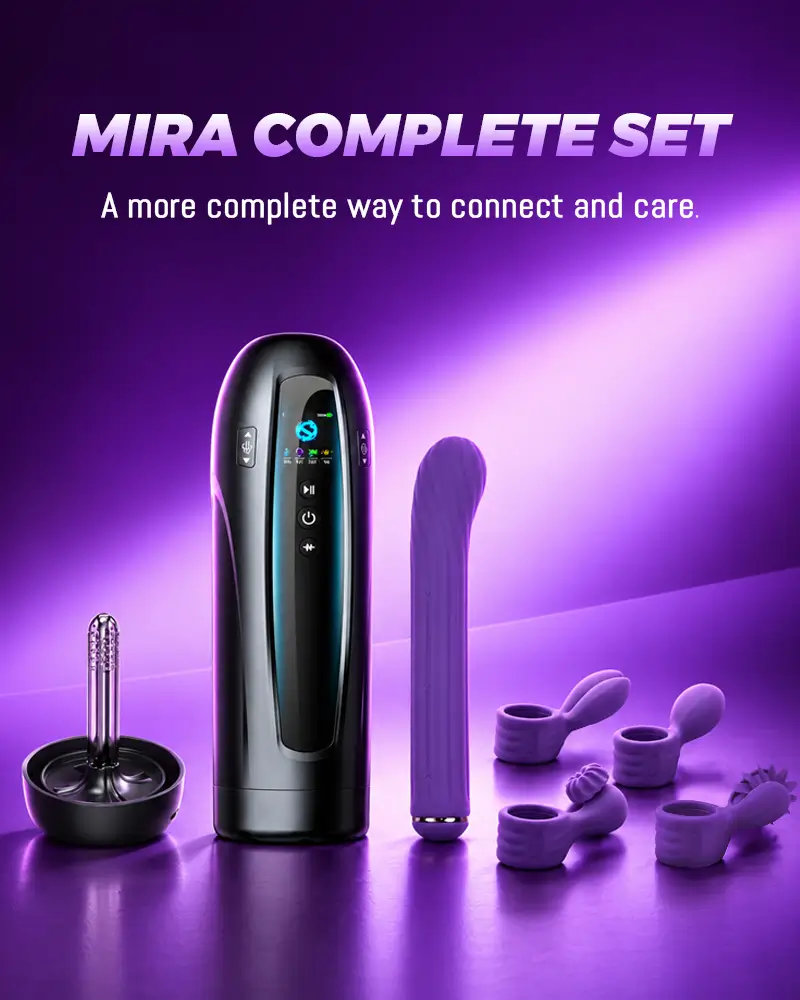
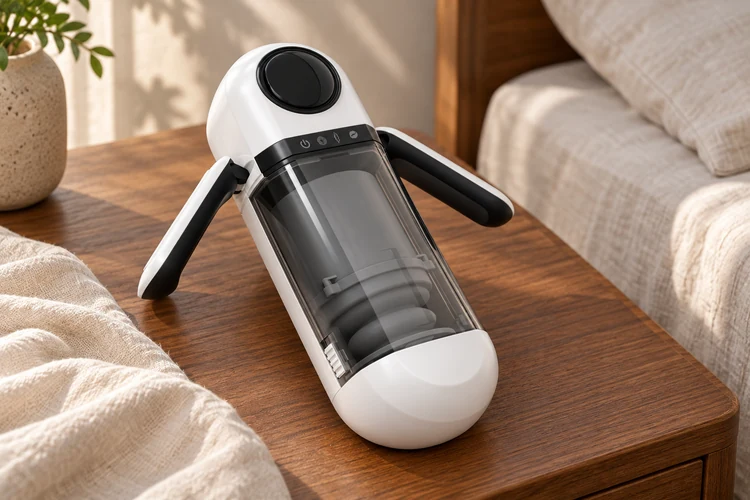
For optional device-based stimulation, Secheal Haven’s stroking, suction, and vibration provide different sensation types in one unit. Built-in buttons and a digital display allow direct operation without app pairing, so you can adjust the rhythm on the device. Its removable sleeve can be cleaned separately; the main unit must not be washed or submerged.
These features support stimulation choice and convenient operation. They do not establish that Haven improves ejaculation timing or treats an ejaculation disorder. Choose settings for comfort, and stop if stimulation causes pain or numbness. Increasing intensity to overcome reduced sensation can lead to irritation.
When to Seek Treatment
Persistent problems or sudden changes
Schedule an appointment if ejaculation difficulties recur, cause distress, affect intimacy, or interfere with trying to conceive. A sudden change after previously comfortable sexual experiences also deserves assessment.
Mention pain, persistent numbness, urinary symptoms, or changes in semen release.
Medical evaluation and treatment options
Do not stop or change prescribed medication on your own, even if the difficulty began after starting it.
A primary care clinician or urologist will usually begin with your medical and sexual history. Depending on your symptoms, an examination or targeted testing may be appropriate.
Before the appointment, note:
- When the difficulty began and whether it followed a medication change.
- Whether it happens during masturbation, partnered activity, or both.
- Whether orgasm, semen release, or erection quality has changed.
- Which medications, supplements, alcohol, or other substances you use.
| Main concern | Possible treatment approach |
| Persistent premature ejaculation | Behavioral techniques, counseling, topical treatments, or prescription medication |
| Medication-related delayed ejaculation | A prescriber-led review of the medication, dose, and alternatives |
| Anxiety or stimulation differences | Sex therapy, communication, and individualized changes in sexual habits |
| A contributing medical condition | Treatment directed at the underlying condition |
The right approach depends on the cause. A method intended to delay ejaculation may be counterproductive when finishing is already difficult.

FAQ
How long should ejaculation take during masturbation?
There is no universal target. Timing varies with arousal, stimulation, and personal preference. Clinical time thresholds for penetrative sex do not define a normal masturbation duration.
Does masturbating before sex delay ejaculation?
It may help some people delay ejaculation, but it can also make another erection or orgasm harder to achieve during the recovery period afterward. It may be unhelpful if you already struggle to finish with a partner.
Can stopping masturbation help delayed ejaculation?
Abstinence is not a universal treatment, and there is no established reset period that works for everyone. If stimulation habits contribute, gradually changing the pattern may be relevant. Medication effects, anxiety, and medical conditions require assessment rather than an assumption that stopping masturbation will resolve them.