Body-safe sex toy materials should be evaluated by their composition, cleanability, and suitability for the intended contact. Clearly identified nonporous materials, such as 100% silicone, are generally easier to clean thoroughly. TPE often offers a softer, stretchier feel at a lower price, but may require more cautious hygiene.
A material name is only the starting point. Check the finished toy’s contact surfaces, supporting safety information, and care instructions before buying.
What Makes a Material Body-Safe?
Porous vs. Nonporous Materials
Nonporous materials are generally easier to clean because they do not readily absorb contaminants. Potentially porous materials can retain germs despite washing, making thorough hygiene more difficult.
For toys used inside the body, Planned Parenthood recommends nonporous materials such as 100% silicone, hard plastic, stainless steel, and break-resistant glass. It identifies TPE, TPR, and some silicone blends as potentially porous.
That distinction concerns hygiene, not a complete chemical safety assessment. Nonporous does not mean sterile, and porosity alone does not prove that a material is toxic.
Why Material Labels Aren’t Enough
“Body-safe” is a claim, not a material specification. Look for the actual contact material, its intended use, and instructions for maintaining it.
Likewise, “phthalate-free” addresses one group of chemicals. It does not establish nonporosity, rule out every possible irritant, or verify the safety of the entire product. Material quality and construction need to be considered together.
Silicone Sex Toys
100% Silicone vs. Blends
Clearly identified 100% silicone is a useful starting point when easy cleaning is a priority. Terms such as “silicone-like” and “silicone feel” describe texture without confirming composition.
If a product uses a silicone blend, check what the manufacturer means by that description. A vague blend label leaves important questions unanswered. At the same time, color or softness alone cannot establish whether silicone is suitable for intimate contact.
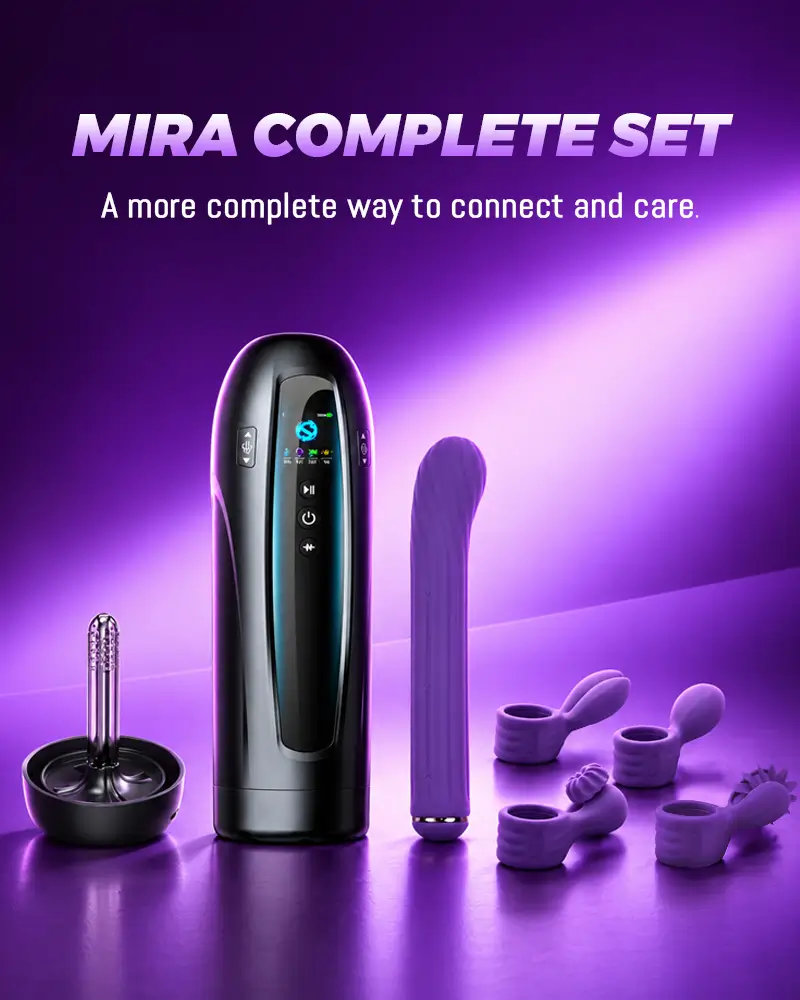
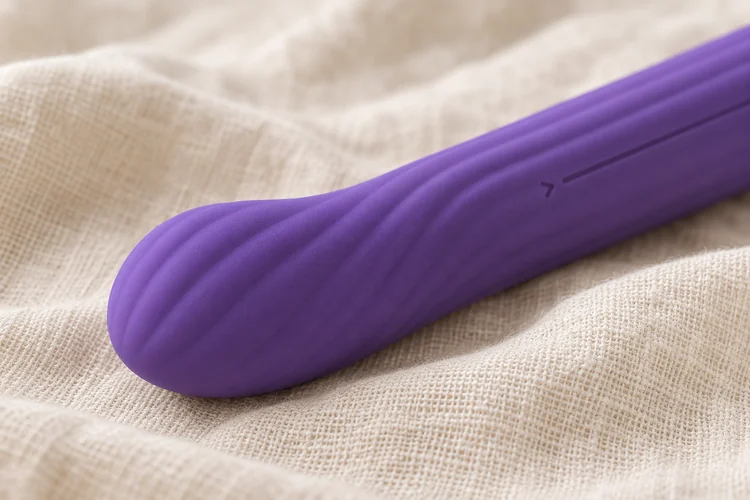
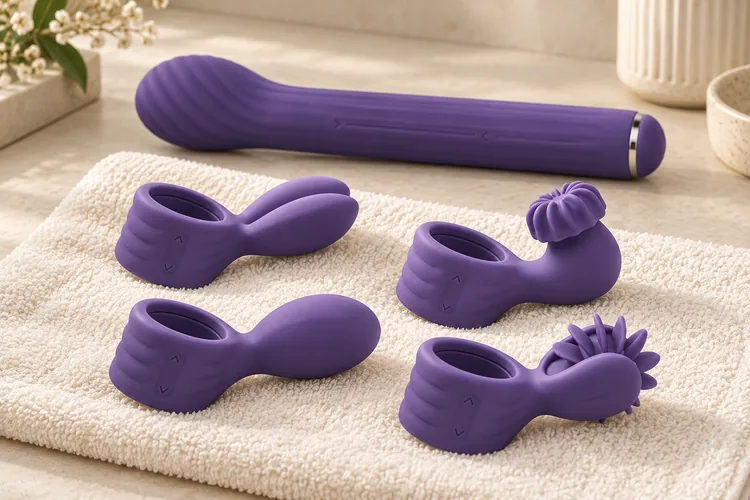
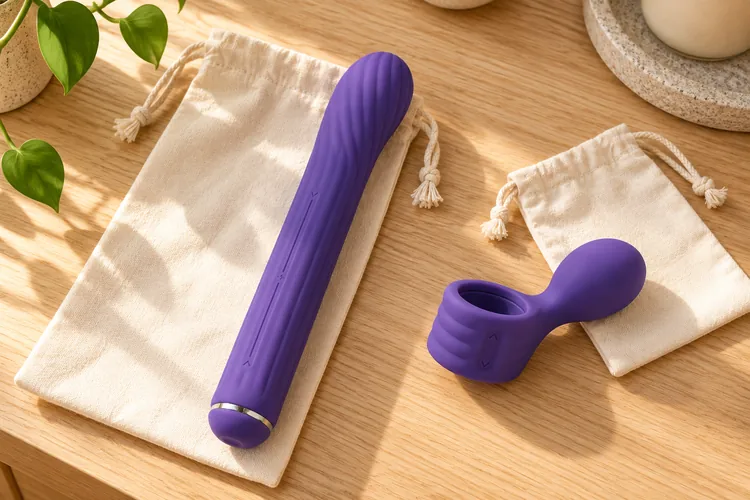
For a silicone wand with several attachment options, consider the Secheal Wave silicone wand. It combines silicone and ABS with four interchangeable attachments, making it an option for shoppers who want different contact shapes in one device. The heads can dry separately after cleaning. Check the attachment joints during care and follow the instructions for each component; the silicone description alone does not establish medical-grade status.
What “Medical-Grade” Means
“Medical-grade silicone” needs context. Useful supporting information identifies the material, the testing performed, and whether that testing covers the finished contact component.
The FDA’s biocompatibility assessment guidance explains that medical-device assessment considers the finished device, including manufacturing effects, rather than component materials alone. This guidance applies to medical devices; it does not establish approval of an ordinary sex toy.
TPE and TPR Sex Toys
What TPE and TPR Are
TPE stands for thermoplastic elastomer. TPR stands for thermoplastic rubber, a term commonly used for rubberlike thermoplastic materials. These descriptions cover different formulations rather than a single uniform substance.
Both are common in soft sleeves and masturbators, where flexibility and a cushioned texture are priorities. Their exact properties depend on the formulation and product design.
Porosity and Cleaning Limits
TPE and TPR may be porous, so washing should not be treated as proof of disinfection. A toy cleaner does not make a porous material nonporous.
For a sleeve, check whether you can:
- Remove it without damaging the device.
- Reach the internal channel for cleaning.
- Rinse it as directed.
- Let the inside dry completely before storage.
When comparing powered designs, use the hands-free masturbator buying guide to assess sleeve access, water resistance, and care separately from movement and controls.
Silicone vs. TPE
Feel, Flexibility, and Cost
TPE often provides a soft, stretchy texture at a lower price. Silicone comes in a wide range of firmness levels, so it should not automatically be described as hard or inflexible.
Shape matters, too. Wall thickness, internal texture, and fit can change how a toy feels as much as its material.
| Factor | Clearly identified 100% silicone | TPE or TPR |
| Feel | Varies from soft to firm | Often soft, stretchy, and cushioned |
| Porosity | Generally nonporous | Potentially porous |
| Care priority | Follow instructions for the complete product | Pay particular attention to internal cleaning and drying |
| Cost | Often higher | Often lower |
| Before buying | Verify contact materials and supporting claims | Verify formulation, care limits, and replacement options |
Hygiene and Durability
Choose a material whose care requirements fit your routine. Neither silicone nor TPE has a universal replacement schedule; product construction, use, and condition matter. Follow manufacturer guidance and inspect the toy before each use.
Other Common Materials
ABS Plastic, Stainless Steel, and Glass
ABS is a rigid plastic used in housings and some contact surfaces. Confirm which part is ABS: a plastic outer casing says nothing about the composition of a soft sleeve inside it.
Stainless steel and break-resistant glass offer firm, nonporous alternatives. Choose products designed for intimate use with clear material specifications and smooth, intact surfaces. Stop using glass immediately if it chips or cracks.
Cleaning limits still depend on the whole product. A steel attachment connected to electronics cannot automatically be cleaned like a solid, nonmotorized steel toy.
PVC, Jelly Rubber, and Unknown Blends
“Jelly” describes an appearance or feel rather than a precise composition. PVC and unspecified soft blends require closer attention to ingredients, testing, and care limitations.
Descriptions such as “premium rubber” or “realistic material” do not provide enough detail to compare safety. A strong odor warrants attention, but the absence of odor proves little. Do not use flame tests or other destructive home tests to identify a toy’s material.
What to Check Before Buying
Materials on Body-Contact Surfaces
Check the sleeve, attachments, coatings, and housing separately. Then confirm where the product is intended to be used. Familiar materials do not make an external-only toy suitable for insertion.
Material choice also cannot compensate for an unsuitable shape. For example, toys intended for anal insertion need a design that prevents them from slipping fully inside.
Test Reports and Safety Claims
A useful report identifies the tested product or component, laboratory, methods, and results. Check that it applies to the item being sold rather than a different model or only a raw-material sample.
ISO 3533:2021 specifies safety and user-information requirements relating to materials and design for manufactured sex toys intended for direct genital or anal contact. If a seller claims compliance, look for supporting documentation. Naming the standard alone does not demonstrate that the product meets it.
Coatings, Seams, and Surface Damage
Stop using a toy if you find sharp edges, peeling coatings, cracks, tears, or unexplained changes in surface texture. Cleaning cannot repair damaged material.
For removable parts, inspect the joints as well as the main contact surface. Confirm that the instructions explain how to clean and fully dry these areas.
Cleaning and Lubricant Compatibility
Confirm which parts can be washed, which must only be wiped, and whether immersion or heat is allowed. Never boil a motorized toy simply because its outer surface is silicone.
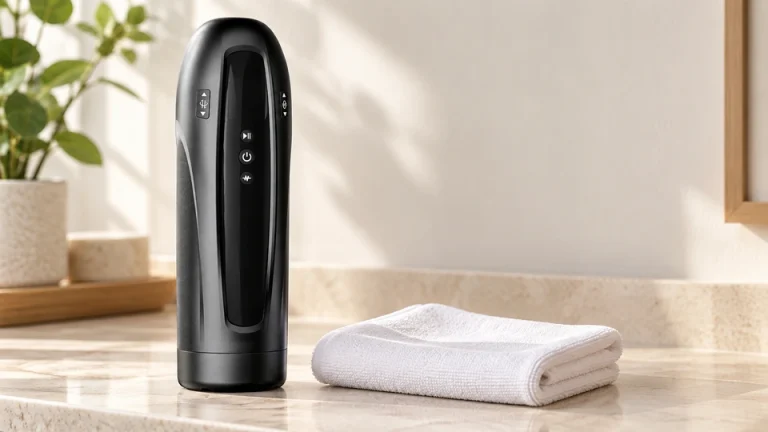
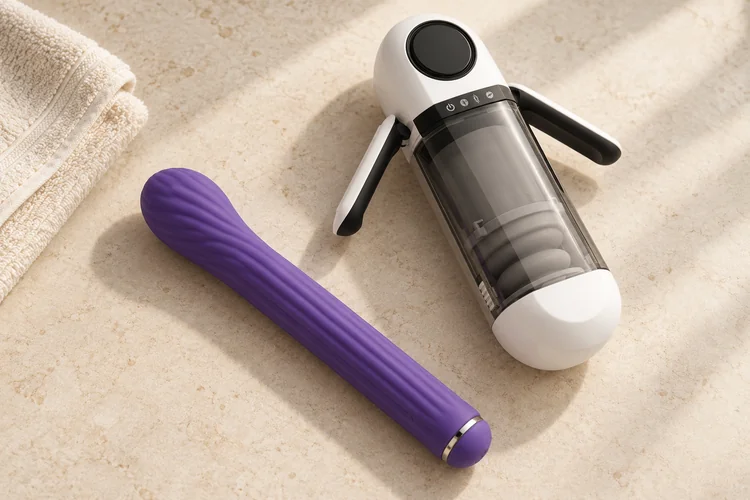
For a powered masturbator with a contact sleeve that can be cleaned separately, consider Secheal Haven with a removable sleeve. The detachable inner sleeve provides access for separate cleaning, which is a practical feature when sleeve care is a purchase priority. Do not wash or immerse the main unit. Confirm the sleeve’s exact material and lubricant compatibility before purchase rather than assuming it is silicone or TPE.
Water-based lubricant is generally compatible with many toys. Silicone-based lubricant can damage some silicone products, so check the exact toy’s instructions. If using a condom, verify compatibility with both the toy and lubricant. Oil-based products can damage latex and polyisoprene condoms.
FAQ
Are TPE Sex Toys Safe?
TPE describes a broad material category, so it is neither a guarantee of safety nor proof of toxicity. Evaluate the specific formulation, intended body contact, supporting test information, and cleaning limitations.
Does a Condom Make a Porous Toy Nonporous?
No. A compatible condom provides a barrier without changing the underlying material. It does not replace cleaning or make a damaged toy suitable for use. Use a new condom between partners and body sites.
How Can You Tell Whether a Toy Is Really Silicone?
Look for a precise material disclosure and documentation tied to the product. Appearance, softness, and smell cannot reliably confirm composition. “Silicone feel” describes texture, not what the toy is made of.